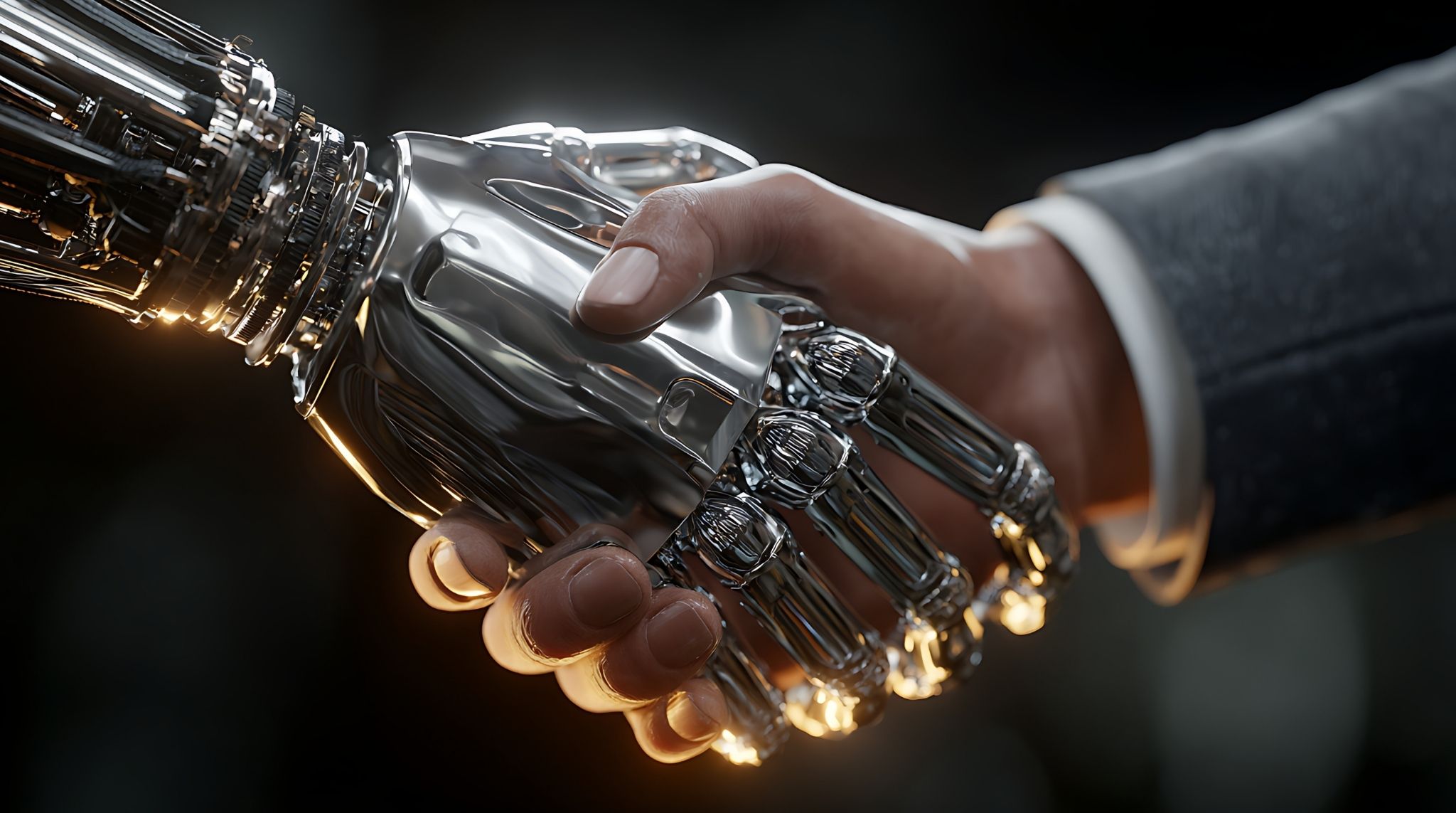
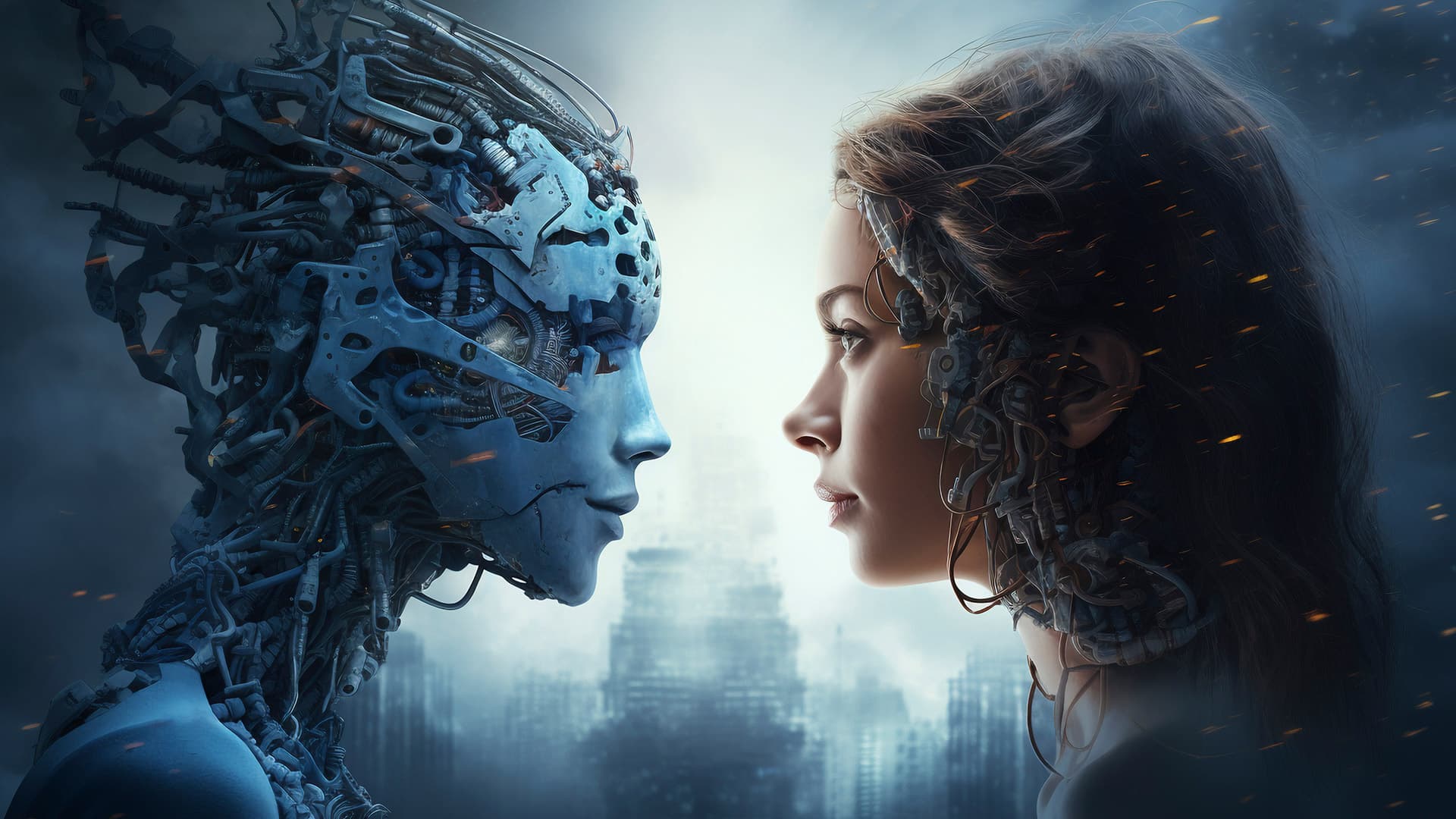
Have you ever looked at a design and wondered if it was created by a human or artificial intelligence? With the rise of AI-generated content, it’s becoming harder to tell. However, while AI can generate impressive results, it often lacks the subtle human touch—the creativity that stems from diverse skills and experiences. This is where adopting a Multidisciplinary Approach comes in. By blending human creativity with technical expertise, professionals can leverage the strengths of both worlds to create something truly remarkable.
Whether you’re working in marketing, design, animation, or UI/UX, the future belongs to those who can integrate skills from various disciplines. AI may speed up processes, but it’s the combination of human ingenuity and a multidisciplinary approach that leads to groundbreaking results. In this post, we’ll explore how these two forces—AI and human creativity—can coexist, and why mastering multiple skills helps bridge the gap between technology and art.
Why human creativity still holds a unique edge over AI
AI can replicate patterns, analyze data, and even create visually stunning designs. However, when it comes to true creativity—the kind that touches emotions and tells stories—it falls short. Human creativity is fueled by personal experiences, intuition, and the ability to interpret context in ways machines simply can’t. In fields like marketing, animation, and design, these human elements are crucial.
Emotional connection in design
While AI can create flawless designs, it doesn’t have the ability to understand human emotions deeply. Designers, on the other hand, craft visuals that evoke specific feelings. When you pair design skills with knowledge of marketing, you can create campaigns that not only look good but also resonate with audiences on a personal level.
Storytelling in animation
In animation, AI can handle the technical aspects like motion paths and rendering. However, it’s the human animators who breathe life into characters and narratives. When animation is informed by multidisciplinary learning, such as an understanding of marketing trends or storytelling techniques, it becomes a powerful tool for brand communication.
Problem-solving through a human lens
AI can crunch numbers and offer data-driven solutions, but it’s human creativity that finds unconventional ways to solve problems. In UI/UX design, for example, AI might suggest the most efficient layout, but a human designer, with their multidisciplinary insights, will create an experience that feels intuitive and engaging to real users.
How a multidisciplinary approach enhances human creativity
Creativity thrives when fed by diverse inputs. A multidisciplinary learning mindset encourages individuals to draw inspiration from different fields, leading to more innovative solutions. Whether it’s a marketer learning animation or a designer picking up coding, these cross-functional skills enhance the creative process.
Broadens creative perspectives
Learning new skills introduces fresh perspectives. For example, a marketer who learns about design principles can better communicate with designers, leading to more cohesive campaigns. Similarly, a designer with a marketing background can create visuals that are not only aesthetically pleasing but also aligned with business goals.
Encourages collaboration across disciplines
A multidisciplinary approach fosters collaboration. When individuals from different disciplines—such as marketing, UI/UX, and coding—work together, their combined knowledge leads to richer, more comprehensive projects. For example, a website redesign project benefits immensely when marketers, designers, and developers all bring their unique skills to the table.
Fuels innovation by combining diverse skills
Innovation often happens at the intersection of disciplines. A professional who understands both design and coding can create more interactive and dynamic user interfaces. A marketer with animation skills can produce engaging video content that speaks to the audience in a way traditional text-based ads can’t. This combination of skills makes professionals more adaptable and capable of driving innovation in their fields.
AI as a tool, not a replacement for human creativity
AI should be seen as a tool that enhances, rather than replaces, human creativity. In a multidisciplinary environment, professionals can use AI to handle repetitive tasks, analyze data, and automate processes, freeing up more time for creative thinking and problem-solving. The true magic happens when AI and human creativity work together.
AI enhances efficiency
In fields like marketing and design, AI can take care of time-consuming tasks, such as analyzing user data or automating repetitive design elements. This allows creative professionals to focus on the big picture—developing innovative concepts and refining the creative process.
AI offers data-driven insights
AI excels at collecting and analyzing data, which can be invaluable in fields like digital marketing. Marketers can use AI to identify trends and understand customer behavior. However, it’s the human touch that transforms this data into a compelling marketing strategy, one that truly connects with an audience. Explore how digital marketing integrates AI insights with human creativity to drive results.
Creative freedom still rests with humans
While AI can generate suggestions and even create content, the creative freedom to experiment, take risks, and push boundaries remains a distinctly human trait. For example, AI might suggest an optimal color palette based on user data, but it’s the designer who chooses to break the mold and try something bold and new.
Why a multidisciplinary approach is the future of creative industries
The creative industries are evolving, and professionals with a multidisciplinary skillset are better equipped to navigate this changing landscape. Whether you’re in marketing, design, animation, or UI/UX, the ability to combine different skills will set you apart and make you more adaptable in the face of technological advancements like AI.
It offers greater career flexibility
A multidisciplinary approach gives you the freedom to pivot in your career. As industries evolve, having skills in multiple areas, such as marketing and UI/UX design, allows you to take on a variety of roles, making you more valuable in the workforce.
Cross-functional skills open up new opportunities
The demand for professionals who can wear multiple hats is growing. Companies are looking for employees who can contribute to several aspects of a project, such as a designer who can also animate, or a marketer who understands UI/UX. By cultivating a multidisciplinary mindset, you open yourself up to a wider range of opportunities.
It aligns with the future of work
The future of work is increasingly collaborative and project-based. In such an environment, professionals with multidisciplinary skills are better positioned to thrive. By combining creativity with technical skills, such as coding or digital marketing, you can lead projects that require both artistic vision and technical execution.
Enjoyed this post? Make sure to follow me for more insights on how a multidisciplinary approach can help bridge the gap between technology and human creativity!