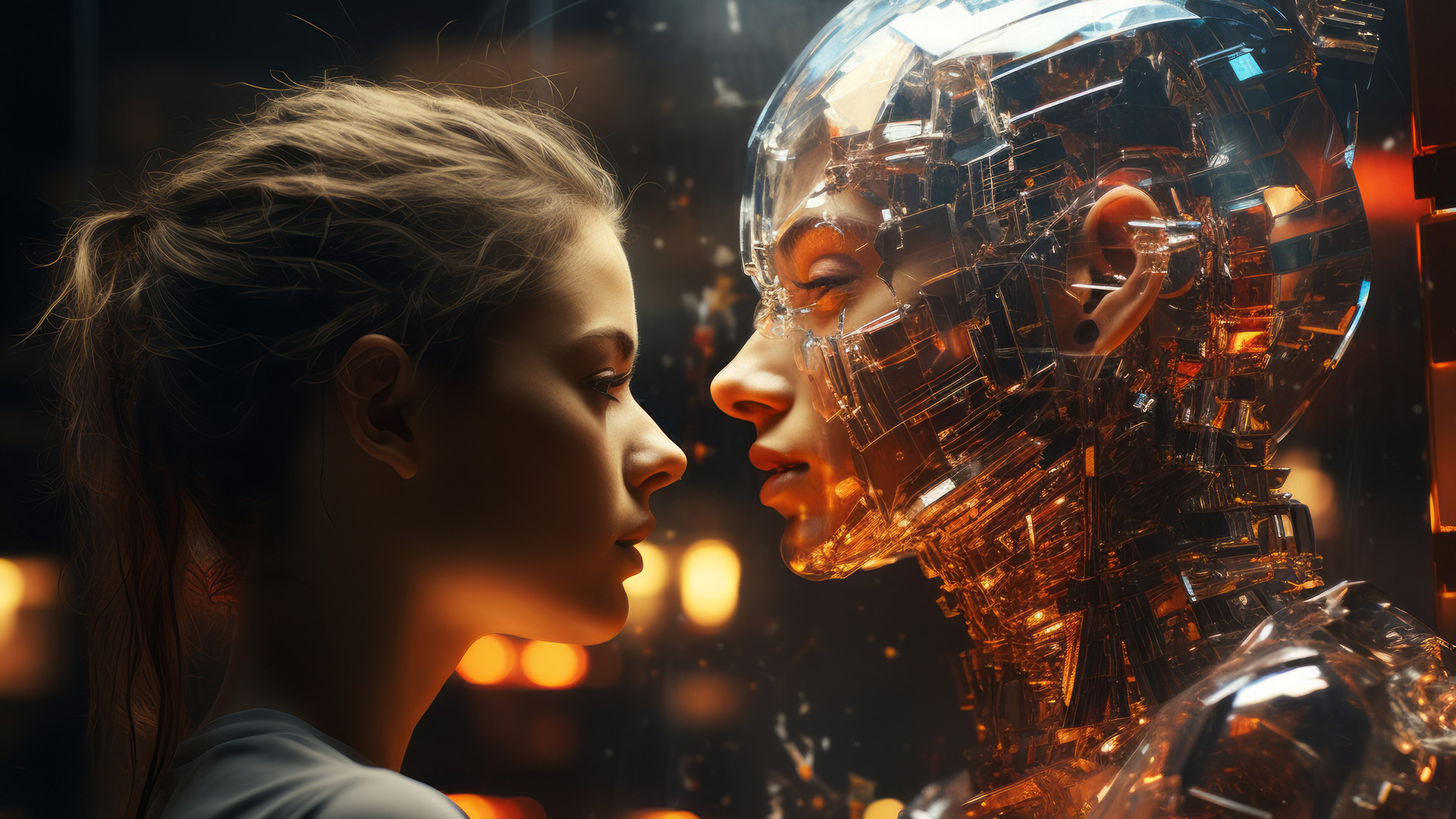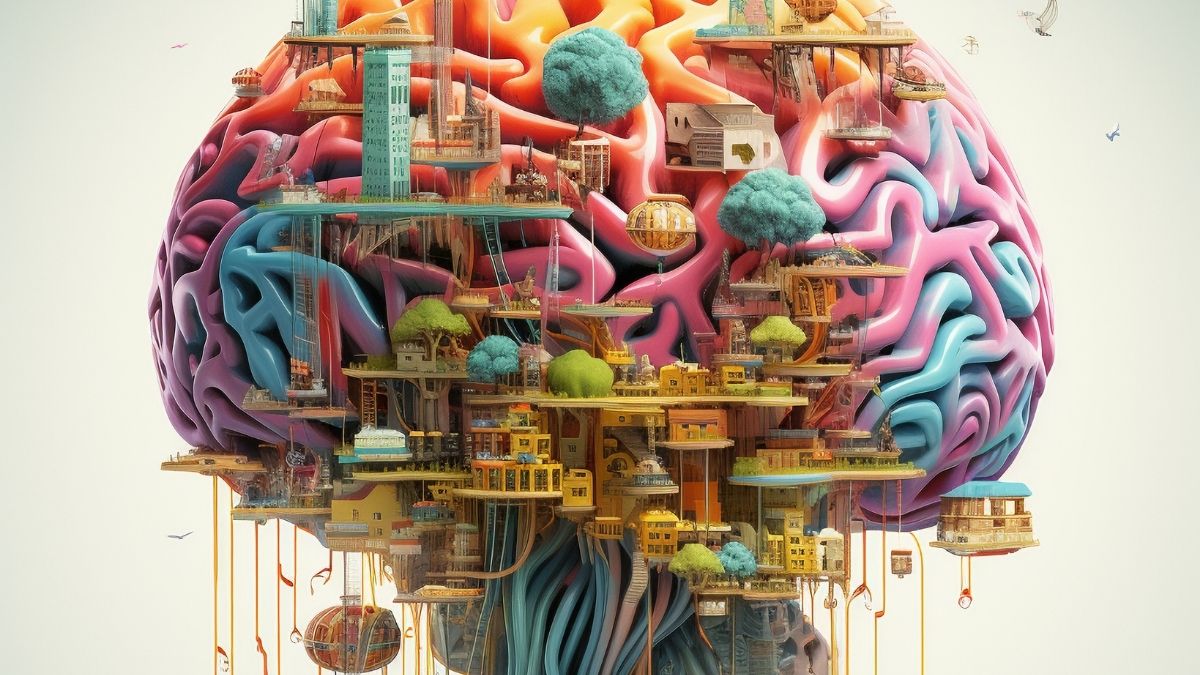
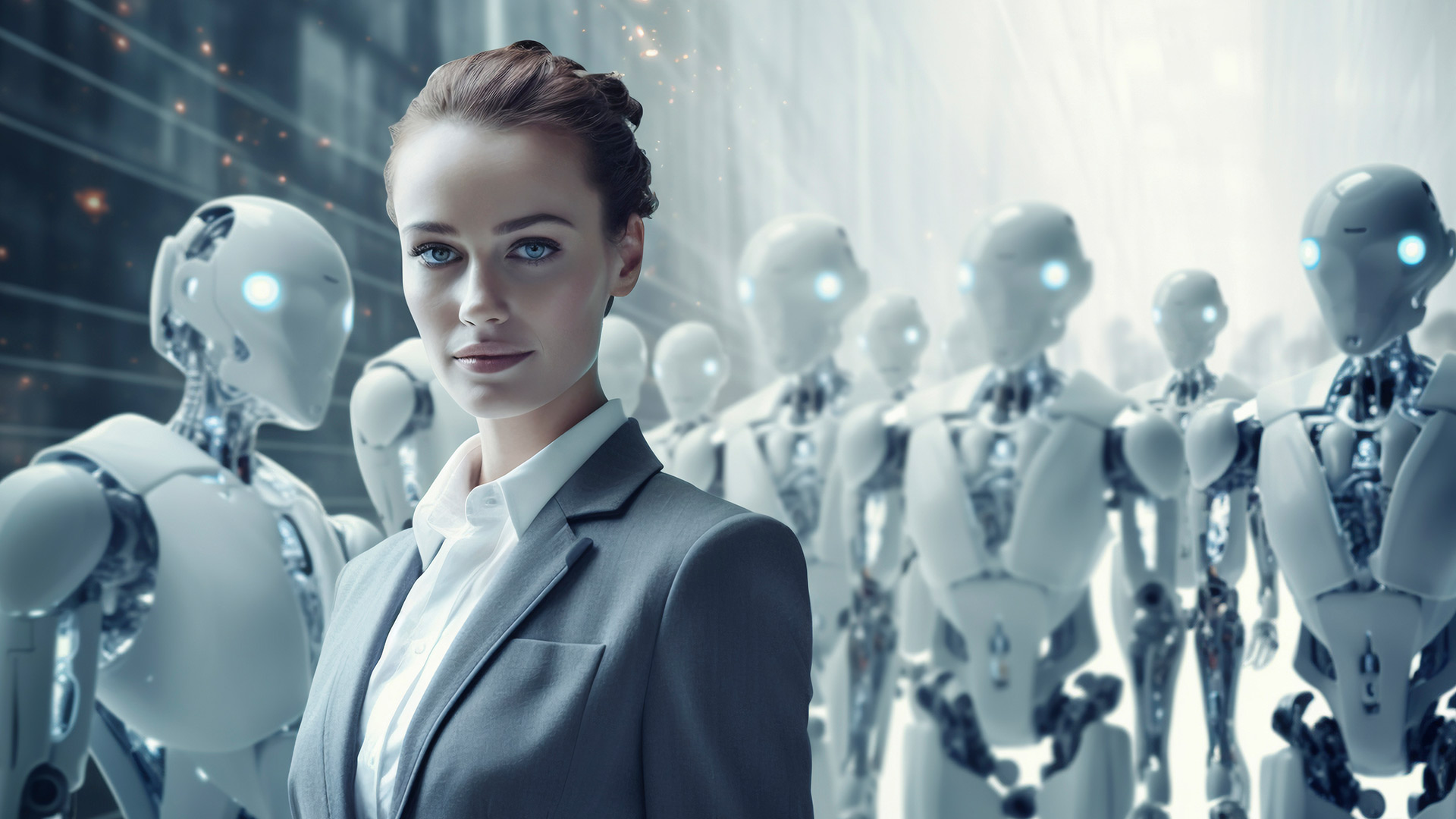
Have you ever noticed how some businesses rely entirely on data, only to miss the bigger picture? Over-reliance on AI-driven analytics can result in rigid decisions that overlook human creativity, intuition, and nuance. Businesses need a balance between AI and human input to thrive. The solution? A multidisciplinary approach that combines the strengths of both, fostering more holistic and effective decision-making.
Integrating AI into decision-making processes can yield incredible efficiencies, but relying solely on technology has its limitations. Human intuition, creativity, and ethical judgment add critical layers that algorithms can’t replicate. This post explores how businesses can use a multidisciplinary approach to effectively balance AI and human input, ensuring smarter, well-rounded decisions that benefit both the company and its stakeholders.
Why Balancing AI and Human Judgment is Essential
As businesses increasingly adopt AI technologies, finding the right balance between AI-generated data and human insight becomes more important. A multidisciplinary approach ensures that decisions aren’t one-sided.
The Strengths and Limitations of AI
AI excels at processing large datasets quickly, making it invaluable for complex problem-solving. However, it lacks the emotional intelligence and ethical considerations that humans bring to the table. Combining AI’s speed with human judgment leads to more effective decisions.
Leveraging Human Creativity and Intuition
While AI can analyze data, it doesn’t innovate in the same way humans do. Human creativity and intuition allow for innovative problem-solving and strategic thinking, particularly in situations where data alone is not enough.
Using AI for Data-Driven Insights
AI is highly effective for extracting actionable insights from vast amounts of data. These insights provide a solid foundation for decision-making. When coupled with human interpretation, businesses can make more informed, nuanced choices.
The Role of Multidisciplinary Teams in Decision-Making
Multidisciplinary teams bring diverse skills and perspectives, making them the perfect complement to AI technology. When AI insights are combined with the expertise of diverse team members, the result is a more comprehensive decision-making process.
Bringing Together Diverse Expertise
Multidisciplinary teams combine expertise from different fields—technology, business strategy, marketing, and more. Each team member brings unique insights, helping to evaluate AI-generated data through multiple lenses. This broadens the scope of decision-making.
Encouraging Collaborative Problem-Solving
Collaboration among team members with diverse skill sets leads to more innovative solutions. AI provides the data, while human teams add creativity and strategic insight. This collaboration fosters a more dynamic approach to business challenges.
Combining Technical Skills with Soft Skills
Soft skills such as empathy, communication, and leadership are critical when interpreting AI insights. Multidisciplinary teams that blend technical expertise with soft skills can navigate complex decisions with both data and human context in mind.
How AI and Human Input Complement Each Other
AI and human input should not be viewed as competing forces but as complementary elements in the decision-making process. Together, they help businesses arrive at well-rounded, effective outcomes.
AI as a Tool for Efficiency
AI accelerates decision-making by handling repetitive tasks and processing vast amounts of data. This frees up human teams to focus on higher-level strategic decisions. The efficiency provided by AI enhances productivity and ensures that teams can act swiftly.
Humans for Emotional Intelligence and Ethics
AI lacks emotional intelligence, which is essential in understanding human needs and motivations. Humans bring empathy and ethical judgment into decisions, ensuring that solutions are not only data-driven but also people-focused.
The Synergy Between Data and Experience
AI’s data-driven insights are powerful, but they must be contextualized within real-world experience. Human input brings practical knowledge, past experiences, and intuition into the mix, balancing cold data with warm insights.
Multidisciplinary Learning: A Path to Better Decision-Making
To fully capitalize on the benefits of AI and human collaboration, multidisciplinary learning is essential. Professionals who develop a wide range of skills are better equipped to adapt and innovate in the face of complex business decisions.
Building Versatility in Teams
Multidisciplinary learning encourages team members to acquire diverse skills beyond their core expertise. This versatility makes individuals more adaptable, capable of working across various domains, and better equipped to leverage AI effectively.
Expanding Skill Sets Through Continuous Learning
Continuous learning is critical in a rapidly evolving business landscape. Multidisciplinary professionals constantly update their skill sets, enabling them to navigate the complexities of AI-enhanced decision-making.
Bridging the Gap Between AI and Human Judgment
Multidisciplinary learning helps professionals bridge the gap between AI technology and human insight. By understanding both technical and human aspects of decision-making, teams can integrate these elements seamlessly into their strategies.
The Future of Decision-Making: AI and Human Collaboration
The future of business decision-making lies in the collaboration between AI and humans. Companies that embrace this synergy will be better positioned to make fast, effective decisions that are informed by both data and human judgment.
Preparing for AI Integration
As AI becomes more integrated into business processes, companies must prepare their teams for this collaboration. Multidisciplinary teams that are ready to work alongside AI will have a distinct advantage in decision-making.
Combining AI-Driven Efficiency with Human Strategy
AI-driven efficiency combined with human strategy leads to more comprehensive solutions. While AI handles data analysis, human teams can focus on long-term strategies and adapting to new challenges. This balance ensures sustained business growth.
Adapting to Future Trends in Decision-Making
The decision-making landscape will continue to evolve, and companies must stay ahead of these trends. Multidisciplinary approaches that integrate both AI and human input are key to adapting and thriving in the future business world.
If you found this article helpful and want to explore more ways to blend AI with human expertise for smarter decision-making, follow me for more content like this. Stay updated on the latest strategies for success in a rapidly changing world!