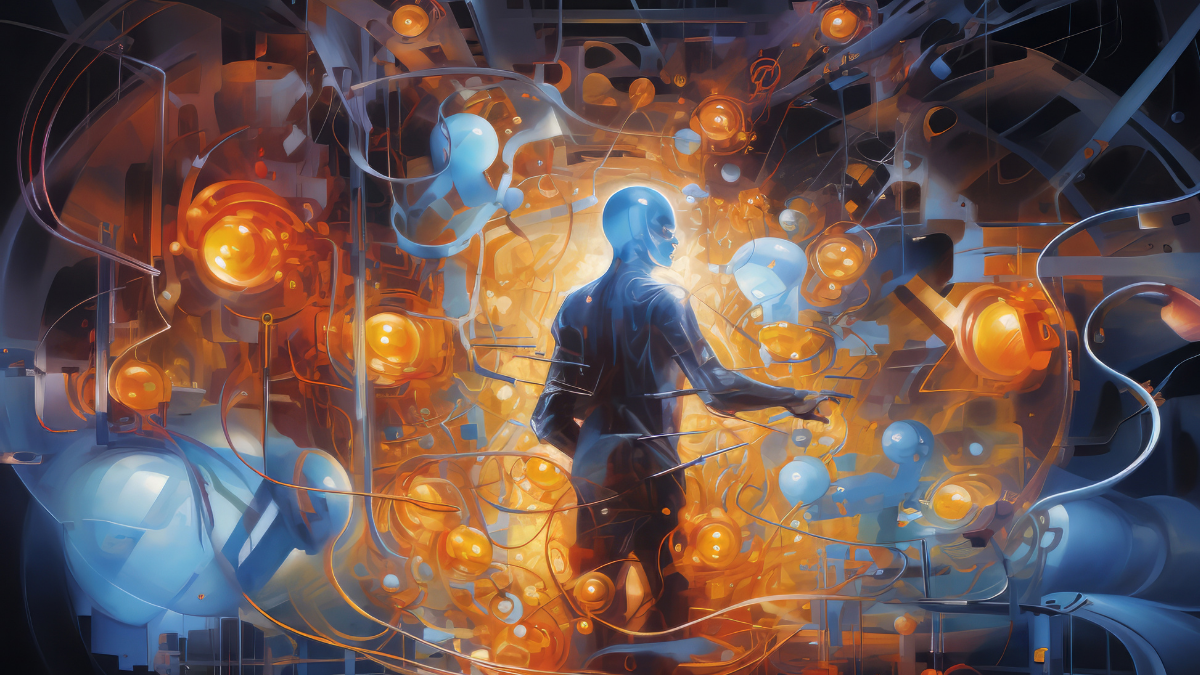
Many professionals and companies today wrestle with the challenge of staying relevant and effective as technology reshapes industries at an accelerating pace. The disconnect between leveraging AI-driven tools and applying human judgment often leads to fragmented workflows and stalled progress. For those navigating this landscape, understanding the balance between automated capabilities and innate decision-making is critical. Exploring approaches that integrate multidisciplinary skills offers a path forward, as outlined in related discussions on post-search AI optimized visibility challenges.
Clarity about these challenges begins with recognizing the limits of isolated expertise in a complex, AI-augmented world. Focusing solely on machine efficiency or pure human insight misses the synergy both can offer. The intention here is to provide a grounded perspective on developing a skill stack that combines artificial intelligence tools with human intuition, aiming for practical advice over technical abstraction. The goal is to help professionals build resilient, adaptable workflows and mindsets for evolving demands.
Key Points Worth Understanding
- Professionals face persistent challenges integrating AI capabilities with critical human judgment.
- Misalignment between AI tools and intuitive decision-making can slow effective adoption.
- Building a complementary skill stack involves deliberate practice across diverse disciplines.
- Realistic action plans focus on incremental skill development and tool mastery.
- External guidance helps translate abstract AI potentials into applicable human-centered strategies.

Why do many professionals struggle to integrate AI with their existing skills?
The issue stems from a gap between expectations and practical application when using AI tools alongside traditional expertise. Many users find AI outputs require careful interpretation rather than blind trust, which demands a different mindset than purely technical problem-solving. This disconnect creates friction, especially in teams where roles are siloed or where AI adoption occurs without comprehensive strategy. Reflecting on experiences from multidisciplinary teams clarifies that success requires adapting working habits, not just adopting technology.
How do silos limit effective skill integration?
When professionals operate within narrow specialties, collaboration between AI and human insight weakens. For example, data scientists might produce models with little input from creative or strategic colleagues, making outputs less usable in real-world contexts. This separation reinforces a cycle of misunderstanding, as AI tools serve only one part of the workflow. Case studies highlight how breaking down these barriers through cross-disciplinary training improves both adoption speed and outcome quality.
Navigating these silos demands intentional organizational and personal shifts. Creating shared language and goals around AI enhances mutual understanding and trust. This often requires leadership to champion multidisciplinary learning and allocate time for experimentation. Without such alignment, the promise of AI-enhanced work remains unrealized, trapped in fragmented processes and underutilized talent.
Why is overreliance on AI outputs risky?
AI systems, despite their sophistication, can generate outputs that lack contextual nuance, leading to flawed conclusions if taken at face value. For professionals using such results without critical filtering, mistakes can propagate through decision chains. For instance, marketers relying solely on AI-generated content without human editing risk tonal mismatches or strategy misalignments. Such pitfalls reveal why intuition and experience remain essential components of the skill stack.
This risk calls for a cautious approach, coupling AI data with external judgment. Professionals gain an edge by cultivating pattern recognition and critical thinking alongside technology use. This dual approach reduces errors and improves outcome relevance. Training programs and informal mentorships focused on this balance have shown positive impacts on performance across industries.
How do changing workflows affect skill integration?
The rise of AI has altered workflows, demanding new competencies like prompt engineering, model evaluation, and hybrid problem-solving. Traditional roles morph as routine tasks become automated, shifting focus toward supervising AI outputs and making strategic decisions. This shift challenges professionals to expand beyond narrow roles into a more fluid skill set that merges technical and intuitive capabilities.
Adjusting to these evolving workflows requires deliberate learning and flexibility. For example, combining data analysis skills with narrative crafting enables clearer communication of AI insights. Companies that invest in cross-training and adaptive processes frequently report smoother transitions. Individuals open to skill diversification generally face less obsolescence risk and find greater job satisfaction.
Practical approaches to developing AI-human skill stacks involve continuous learning mixed with hands-on experimentation. Professionals benefit from structured frameworks that include both technical mastery of AI tools and cultivation of soft skills like critical thinking and creativity. Combining online courses, peer collaboration, and real-world projects creates robust learning loops. These strategies help bridge gaps between theory and application.
One recommended action is establishing dedicated time for exploring AI tools relevant to one’s role, including testing outputs and reflecting on discrepancies. This experiential learning builds intuition about AI strengths and limitations. Parallel efforts should target improving domain knowledge to contextualize AI assistance better. Together, these steps solidify a skill stack grounded in complementary human-machine partnership.
What role does multidisciplinary learning play in skill development?
Integrating AI effectively calls for crossing traditional disciplinary boundaries. For example, blending insights from computer science, behavioral psychology, and design can result in more intuitive AI-enhanced products or workflows. Multidisciplinary learning broadens perspectives and fosters creative problem-solving beyond conventional silos. Practitioners who adopt this mindset report more innovative and efficient outcomes.
This approach includes combining quantitative skills with narrative competence and ethical considerations. It also means engaging collaboratively with diverse teams to gather varied viewpoints. Organizations encouraging such cross-pollination often see improved agility and adaptability. Ultimately, skill stacks enriched by multidisciplinary thinking align better with the complexity of modern challenges.
How does ongoing skill evaluation support growth?
Regular self-assessment and peer feedback on both AI tool proficiency and intuitive judgment sharpen capabilities over time. Being aware of strengths and gaps enables targeted improvement, making skill development more efficient. For instance, tracking how often AI suggestions need human correction can signal learning areas. This iterative process helps prevent complacency and fosters continuous evolution.
In practice, setting clear, measurable goals related to both technological fluency and decision-making quality facilitates evaluation. Tools like reflective journaling or performance metrics assist in this regard. Teams that incorporate skill reviews into routine workflows maintain higher standards and adaptability. Such discipline proves essential in staying effective amid shifting technology landscapes.
Realistic action plans emphasize manageable, incremental steps rather than overnight transformations. For professionals beginning to integrate AI with intuition, small pilots or projects provide testing grounds with low risk. This approach reduces overwhelm and builds confidence progressively. Support networks, including peers and mentors, play critical roles in sustaining momentum and troubleshooting challenges.
Scheduling regular time blocks to practice AI tool functionalities and interpret outputs strengthens familiarity and reduces resistance. Additionally, documenting lessons learned ensures experiential knowledge is retained. Combining these efforts with reflective questioning around decisions deepens the interplay of AI skill and human judgment. Over months, such disciplines enhance both tool competence and intuitive acumen.
Which practical tools and resources assist skill stack building?
Accessible resources include online platforms offering AI tutorials and ethics discussions, professional groups focused on multidisciplinary AI, and workshops emphasizing human-centered AI design. For example, participating in communities devoted to the intersection of analytics and creative thinking expands perspectives. These practical options lower barriers and foster active learning environments.
Additionally, companies may provide internal training or subscribe to educational services tailored to AI-human collaboration. Utilizing project management and collaborative software that integrates AI features helps embed learning into routine tasks. Selecting resources aligned with specific industry needs and personal learning styles improves effectiveness. Ultimately, the right resource mix supports sustained capability growth.
Developing a skill stack combining AI and intuition benefits significantly from professional guidance that contextualizes learning within specific roles and goals. Consultants and coaches specializing in this integration offer frameworks that translate abstract AI concepts into actionable competencies. This external expertise helps streamline the learning curve and aligns efforts with business objectives. Personalized approaches tend to outperform generic training.
Engaging with seasoned advisors reveals pitfalls to avoid and proven strategies to adopt. For example, consultants familiar with multidisciplinary ecosystems can suggest collaborations that enhance skill transfer. They also support leadership in fostering cultures that value continuous interdisciplinary learning. For those unsure about where to start, expert insight clarifies priorities and accelerates meaningful progress in skill building.
Outside consultants often bring tools for measuring skill development impact, ensuring investments yield tangible improvements. Their involvement encourages accountability and strategic alignment across teams. This external validation supports long-term sustainability of AI-human skill stacks. More information on accessing professional help is available through specialized digital consultancy services.
When approaching the challenge of blending AI proficiency and human intuition, it helps to remember that no single path fits all. Progress emerges through deliberate experimentation, informed feedback, and multidisciplinary insight. Professionals who commit to this holistic development position themselves to navigate complexity with greater dexterity and resilience.
For those interested in learning more about the nuances of managing multifaceted business architectures with AI, exploring techniques shared in discussions on multidisciplinary AI workflows sheds additional light. Similarly, understanding multi-skilled adaptability complements skill stack development. External expertise can be found through consultations tailored to specific professional contexts. Combining these perspectives offers a comprehensive approach that balances technology, intuition, and strategy.
Many have found value in integrating the principles of enhanced multidisciplinary curiosity shared in broader innovation insights, further explored in articles about AI and human curiosity intersections. Balanced with targeted learning techniques for AI and intuition, such insights build a foundation for sustained growth. For practical digital marketing alignment supporting skill application, the offerings at digital marketing consultancy provide additional resources. Together, these form robust frameworks for developing skill stacks that thrive in AI-augmented environments.
Frequently Asked Questions
What exactly is a skill stack in the context of AI?
A skill stack refers to the combined set of abilities an individual develops, integrating both AI tool expertise and human intuition to solve problems and make decisions effectively. It emphasizes the complementarity of machine learning capabilities with critical reasoning and creativity from human users.
Why can’t I rely entirely on AI for my work processes?
While AI can automate routine tasks and provide data-driven recommendations, it often lacks context, emotional intelligence, and ethical judgment. Human oversight is essential to interpret outputs accurately and ensure outcomes align with broader objectives and values.
How can I start building my AI and intuition skill stack?
Begin by learning the basics of AI tools relevant to your role, then practice applying these tools while actively reflecting on their outputs. Simultaneously, cultivate decision-making skills, critical thinking, and creativity to interpret and enhance AI contributions.
What role does cross-disciplinary learning play in enhancing AI skills?
Cross-disciplinary learning exposes you to diverse perspectives and problem-solving methods, which helps in understanding AI applications more holistically and making better-informed decisions that account for various factors beyond pure data.
How can professional advice accelerate my skill development?
Advisors can offer tailored strategies, identify gaps, and provide frameworks that align skill development with industry trends and organizational goals, helping you avoid common pitfalls and maximize the benefits of AI integration.