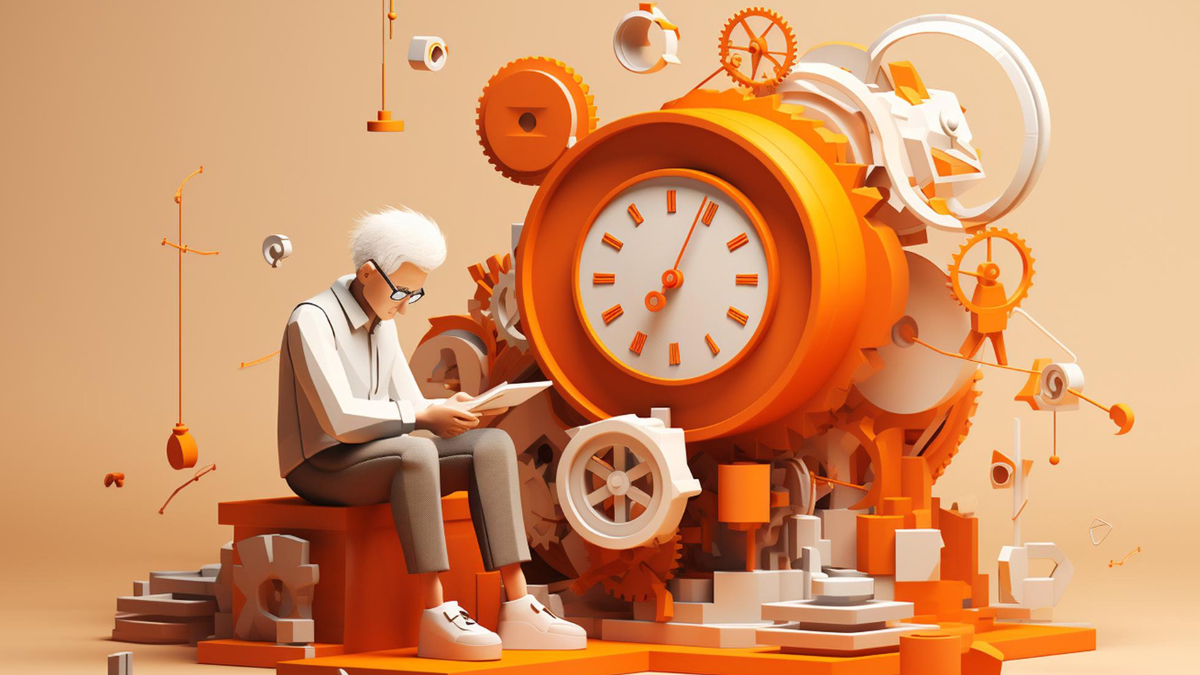

Designers often find themselves siloed, focusing narrowly on visual elements without the broader marketing or strategic context needed to drive effective campaigns. Many professionals and companies struggle to bridge this divide, leading to missed opportunities and inconsistent brand messaging. This divide hinders the potential to fully leverage skills across disciplines and limits the impact of design efforts within business goals, a challenge explored within creative vision and data results alignment.
Understanding how AI tools can empower designers to think and act like marketers and strategists sheds light on addressing persistent workflow inefficiencies. This perspective goes beyond surface-level technology adoption by clarifying the practical ways AI supports multidisciplinary execution without requiring fully separate teams. It’s about embedding strategic awareness and marketing execution into the design process effectively.
Key Points Worth Understanding
- Designers face challenges working outside purely visual roles without marketing insight.
- Traditional workflows reinforce silos between creative and strategic teams.
- AI tools can automate and guide marketing execution tasks within design workflows.
- Integrating AI requires rethinking collaboration and skill application across disciplines.
- Professional guidance is crucial for adopting AI-driven multidisciplinary approaches smoothly.
What workflow problems limit designers from adopting marketing and strategic roles naturally?
The root of many issues lies in the separation of design, marketing, and strategy within organizations. Designers are often tasked with delivering visuals and user interfaces without access to data or insights shaping marketing strategies. This limitation means they cannot proactively contribute to messaging or customer journey considerations, reducing their broader business impact. As a result, teams rely on back-and-forth exchanges that slow progress and dilute accountability, reflecting common disconnects seen in organizations coping with multidisciplinary execution challenges discussed in bridging design and marketing knowledge gaps.
How do traditional team structures create obstacles?
Most companies separate functional roles rigidly, assigning designers to creatives, marketers to analytics, and strategists to planning. This compartmentalization leads to inefficiencies where teams operate in parallel rather than collaboratively, causing duplication or incompatible outputs. For designers, this means limited context and fewer opportunities to shape strategic decisions directly. These structures discourage cross-disciplinary skill development and reinforce narrow perceptions of professional value.
For instance, a marketing team might craft messaging ignoring design feasibility, leading to redesigns or concessions late in development. Similarly, strategists often lack direct input on design iterations or user experience feedback, creating a fragmented process. Breaking these habits is necessary to unlock the value of integrated roles where design execution aligns seamlessly with marketing goals.
Why do designers often lack marketing execution experience?
Education and career paths within design commonly emphasize aesthetics, user interface, and interaction principles rather than business metrics or marketing strategy. Without exposure to campaign measurement, customer profiling, or conversion optimization, designers may feel ill-equipped to engage beyond visual craft. This knowledge gap discourages proactive involvement in marketing activities or strategy formulation.
Even when willing, designers can face resistance from marketing specialists protective of their domains, slowing knowledge sharing. As a result, many designers operate within comfort zones focused on execution rather than broader impact. Realigning roles and expectations requires deliberate effort to build complementary skill sets and foster mutual understanding.
In what ways does technology fail to solve these problems directly?
While numerous design and marketing tools exist, most serve narrow purposes without promoting integration. A common mistake is piling on software solutions rather than addressing collaboration and workflow design. Without shared frameworks or cross-disciplinary training, even advanced tools generate fragmented outcomes.
AI tools often promise capabilities but can fall short if deployed without human context or multidisciplinary thinking. For example, automated content suggestions may not align with brand strategy, or design mockups generated with AI lack marketing insight. Addressing these challenges involves more than technology; it demands new workflows and mindset shifts, as outlined in discussions about the importance of design principles in AI use in generative design tools.
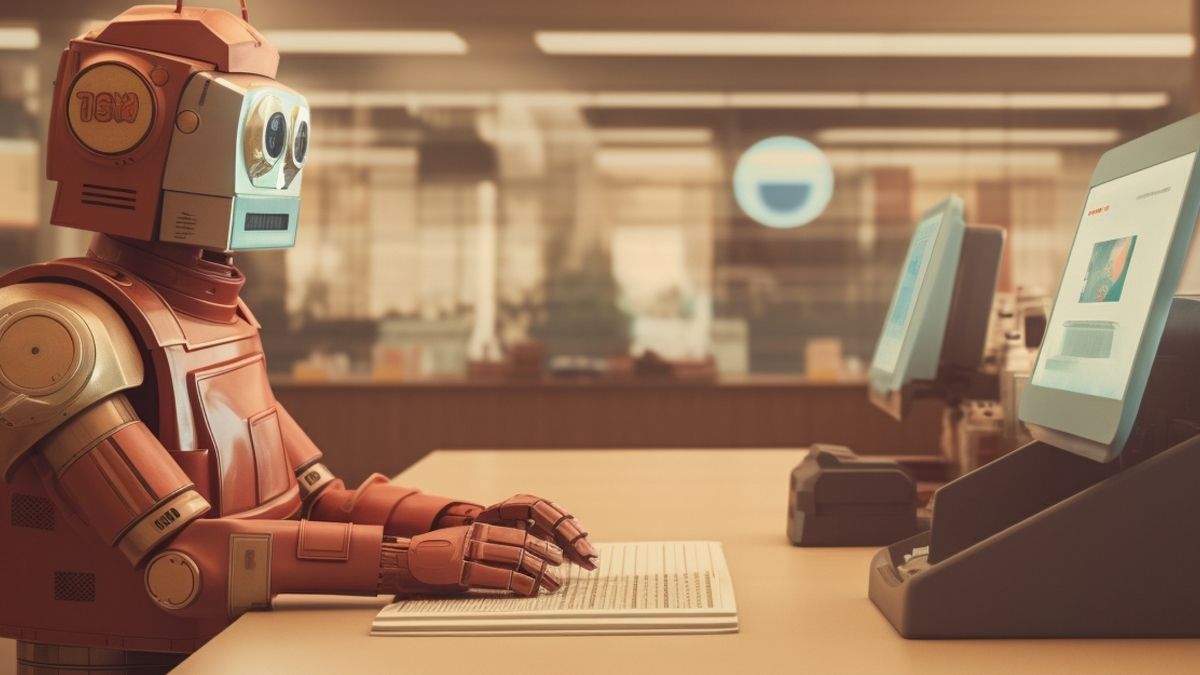
Why do these challenges keep recurring despite evolving tools?
Organizations tend to adopt AI and digital tools piecemeal, often focusing on specific tasks rather than holistic integration. This results in persistence of siloed workflows and reactive problem-solving. Without intentional design of multidisciplinary collaboration, new tools become another layer of complexity rather than a solution. The need for combined strategic and executional thinking in design remains unmet, reflected in the ongoing discussion about AI-augmented multitasking professionals in handling complexity.
What cultural factors reinforce the divide between designers and marketers?
Company culture often prizes specialization and tends to reward output within narrow roles, discouraging boundaries crossing. Designers might avoid marketing language or budget discussions, while marketers rely on creative teams for deliverables but do not engage on design choices. This limits innovation opportunities that arise from blended perspectives.
Moreover, leadership may lack awareness of the benefits from closer designer-marketer collaboration, perpetuating legacy practices. Overcoming cultural inertia requires champions who can demonstrate tangible value through integrated efforts, supported by relevant tools and reskilling.
How does skill development lag behind technology adoption?
Rapid advances in AI tools can outpace individual learning and adaptation. Designers may have access to new software but not the training to use these platforms strategically. Similarly, marketing teams might not incorporate AI capabilities that could democratize execution aspects, leaving designers sidelined from the process.
This lag means AI tools get underutilized or misused, often reinforcing the existing silos. Addressing this requires continuous education focusing on multidisciplinary skills and practical applications that connect the dots between design, marketing, and strategy.
Why do companies struggle to embed AI in daily workflows?
Implementing AI requires rethinking not just tools but processes, roles, and expectations. Many organizations deploy AI without redesigning workflows or aligning KPIs, leading to misalignment and frustration. Employees may resist adoption if value is unclear or if it threatens job definitions.
Successful AI integration depends on a comprehensive approach focused on collaboration incentives, transparent communication, and ongoing adjustment. This is particularly true in creative functions where subjective judgment and business goals intersect, underscoring themes explored about operational AI use in marketing in daily marketing operations.
What does a practical AI-powered design-marketing strategy look like?
A practical approach equips designers with AI to assist in tasks like market analysis, copy generation, targeting suggestions, and performance tracking, effectively supporting marketing execution. This empowerment moves designers beyond static visuals to active contributors in campaign development and optimization. Systems connect data flows with design tools for real-time feedback aligned with marketing goals.
How can AI help designers understand and apply marketing data?
AI can analyze customer behavior, campaign performance, and market trends, then translate insights into actionable design recommendations. For example, AI-generated personas help designers tailor interfaces or visuals to specific audience segments. Similarly, sentiment analysis of customer feedback enables iterative design improvements aligned with marketing messages.
This capability fosters data-driven design thinking, blending creative and marketing mindsets. Design decisions become informed not only by aesthetics but also by measurable impact, closing the loop between concept and results.
What role do collaborative platforms play in multidisciplinary execution?
Configuring AI across shared platforms promotes seamless handoffs and transparent communication between design and marketing teams. Features such as version control, annotated feedback, and integrated analytics allow teams to co-own outcomes and reduce duplicative work.
These environments nurture a culture of ongoing iteration informed by customer and performance data, bridging strategy to execution. They also support remote and asynchronous work, increasingly common in distributed creative teams.
What examples illustrate AI tools enhancing marketing execution by designers?
Tools that generate targeted ad copy based on design elements or automate A/B testing suggestions allow designers to contribute directly to campaign optimization. AI-powered content generators assist with headlines and messaging, freeing designers to focus on brand consistency and user engagement.
Additionally, AI-driven customer journey mapping informs design flows tailored to marketing funnels, showing how AI blends strategic insights with execution. These approaches exemplify effective AI-powered, cross-functional workflows.
What concrete steps can professionals take to integrate AI across design and marketing?
First, learning foundational marketing concepts is essential for designers to understand business contexts clearly. This involves training and self-education on topics including customer segmentation, conversion metrics, and campaign structure. Practical examples foster comprehension of how design choices influence marketing results.
How to select AI tools that facilitate collaboration rather than complicate it?
Choosing AI platforms with open integrations and user-friendly interfaces encourages adoption across disciplines. Tools should prioritize shared workspaces, real-time data access, and customizable automation fitting existing workflows. Before full investment, pilot testing with small teams can expose usability and alignment issues early.
Evaluating vendor support for multidisciplinary use cases ensures sustainable implementation. The goal is not just technological advancement but smoother cross-team experiences.
What role does ongoing feedback and iteration play in this process?
Integrating AI in multidisciplinary settings demands continuous evaluation of impact and friction points. Regular feedback loops help adapt tools and workflows to real user needs, rather than static deployments. This ongoing adjustment sustains momentum and prevents AI from becoming an unused resource.
Embedding metrics tied to marketing and design outcomes aligns incentives and clarifies value across teams. Transparent communication fosters trust and shared ownership essential for lasting change.
How can professionals build multidisciplinary skills to keep pace?
Cross-training opportunities, mentorship, and collaborative project assignments broaden designers’ and marketers’ abilities alike. Embracing T-shaped skills—deep expertise coupled with broad understanding—prepares individuals for flexible role execution enhanced by AI. This mindset embraces curiosity and continuous learning as core professional assets.
Investing time in multidisciplinary development reduces bottlenecks and increases job satisfaction through diversified challenges and contributions.
How can expert guidance accelerate mastering AI-driven design and marketing workflows?
Professional consultants with experience in AI applications across creative and marketing functions provide tailored frameworks and best practices for efficient adoption. They help organizations navigate cultural, technical, and strategic barriers simultaneously. This external perspective identifies hidden gaps and accelerates change management, optimizing results.
What value do consultants add beyond technology recommendations?
Consultants bring multidisciplinary insight that aligns AI tools with business objectives and human factors, addressing common pitfalls like misaligned expectations or workflow incompatibility. Their guidance includes change coaching, skill development planning, and performance measurement strategies fostering sustainable transformation.
This holistic approach minimizes disruption and maximizes AI’s potential across design and marketing domains.
How to choose the right expertise for your specific situation?
Seek consultants with proven experience in digital marketing systems, AI integration, and creative operations. Relevant case studies and knowledge of your industry improve the fit. Effective partners listen carefully to existing challenges and co-create scalable solutions rather than imposing rigid frameworks.
Continuity in relationships enables iterative refinement of AI-enhanced practices aligned with evolving business needs.
Can coaching foster multidisciplinary mindset shifts in teams?
Yes, structured coaching helps teams embrace new roles and collaboration methods needed for AI-powered workflows. It facilitates addressing resistance, building trust, and developing practical skills. Coaching also enables reflection on successes and failures, accelerating competence and confidence in crossing disciplinary boundaries.
Over time, this investment builds internal capacity to adapt to future technological and market changes smoothly.
For organizations aiming to strengthen the connection between creative design, marketing, and strategy using AI, exploring building multidisciplinary systems offers actionable frameworks. Meanwhile, consulting specialized services such as strategic consultancy for digital marketing can provide the hands-on support needed to implement these innovations effectively.
Frequently Asked Questions
How can AI tools improve collaboration between designers and marketers?
AI enhances collaboration by automating data analysis, suggesting content tailored to target audiences, and integrating insights into design processes. Shared platforms with AI-driven project management encourage transparency and seamless communication. This reduces misalignment and accelerates decision-making across teams.
What skills should designers develop to work effectively with AI in marketing execution?
Designers benefit from understanding marketing fundamentals such as customer personas, campaign metrics, and channel strategies. Additionally, familiarity with AI tools that handle content generation, analytics interpretation, and customer journey mapping is valuable. Developing communication skills for cross-team collaboration also supports effective execution.
Are there risks in relying heavily on AI for marketing and design decisions?
Yes, overreliance on AI without human oversight can lead to generic or misaligned outputs. AI may miss contextual nuances or creative intuition essential to brand differentiation. Balancing AI capabilities with human judgment ensures authenticity and strategic coherence.
How can companies measure the impact of integrating AI in designer-led marketing workflows?
Tracking metrics like campaign conversion rates, design iteration speed, and cross-team efficiency provides quantifiable results. Additionally, feedback from users and stakeholders evaluates qualitative improvements. Establishing baseline data before AI adoption helps assess progress objectively.
What resources are available to learn about AI-enhanced multidisciplinary execution?
Many online courses, webinars, and industry publications cover AI in design and marketing. Professional consultancy firms and specialized platforms offer tailored training and strategy development. Engaging with communities focused on AI creativity and multidisciplinary work also provides practical insights and networking opportunities.