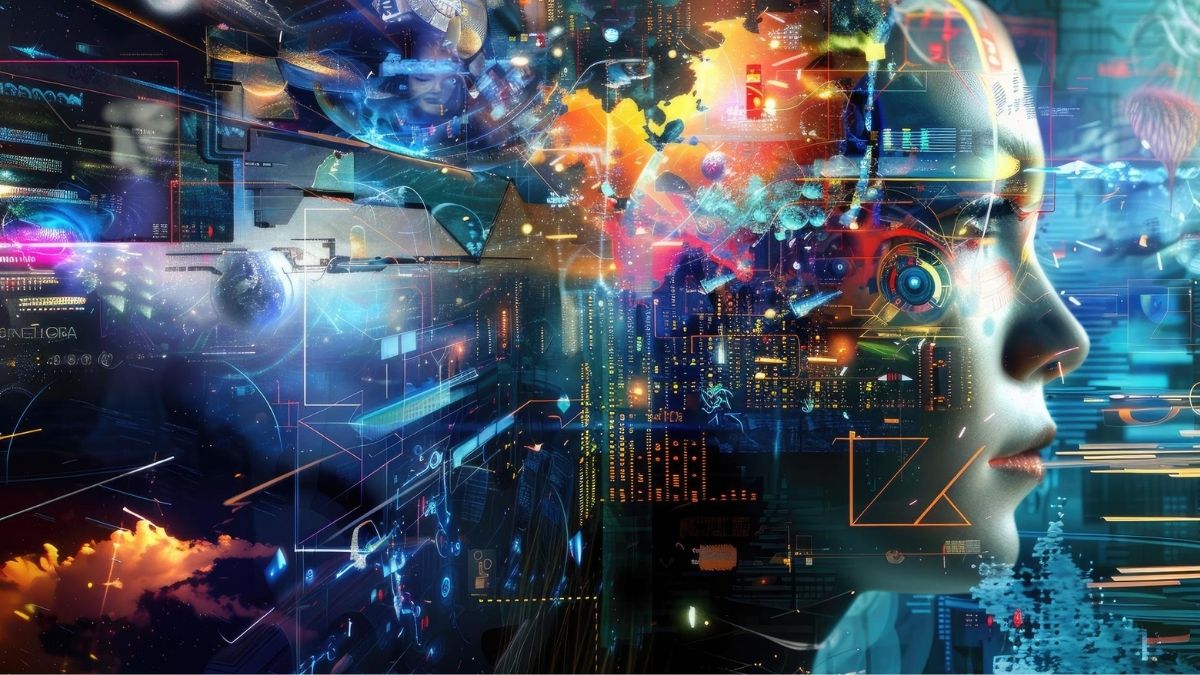
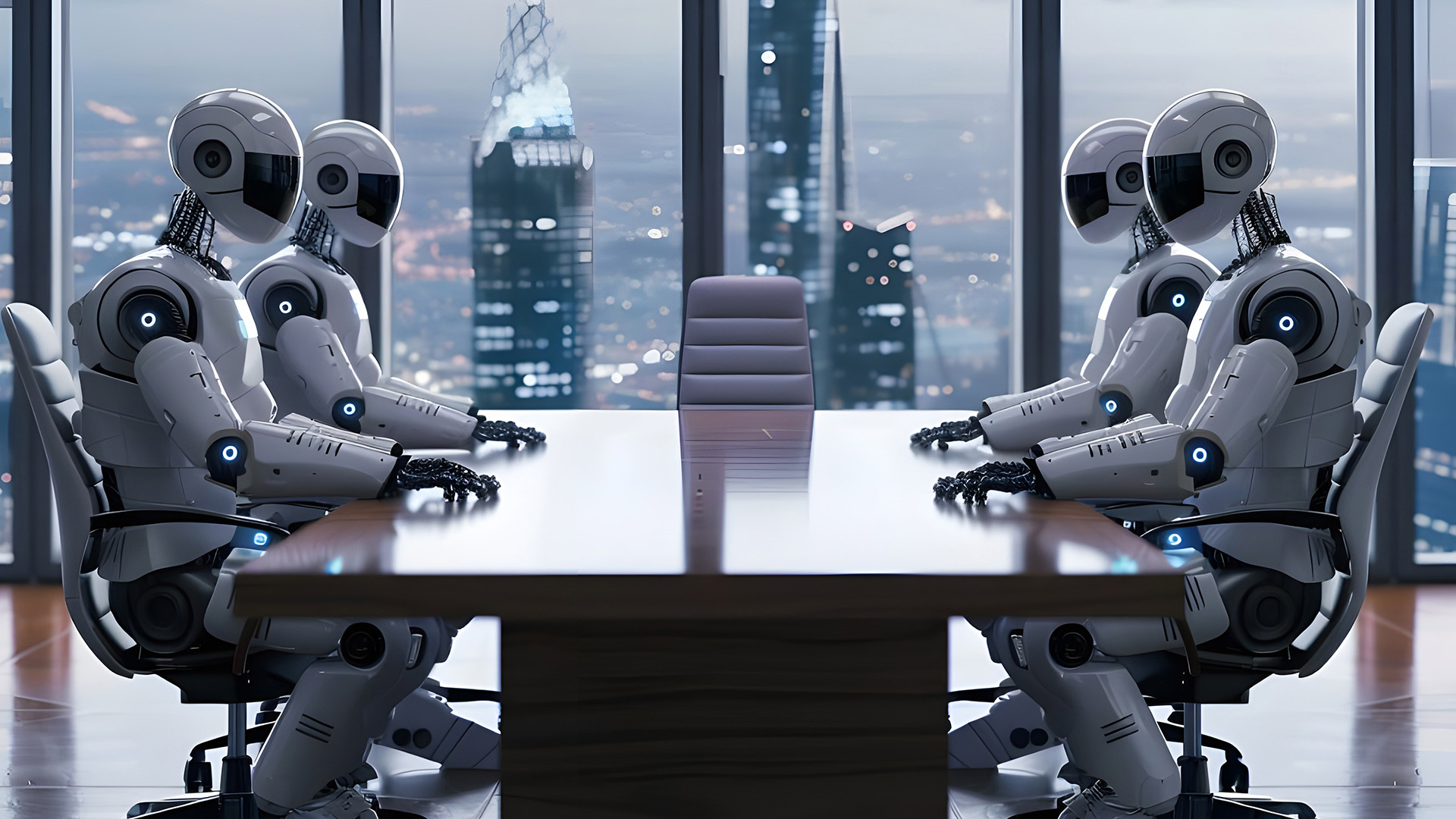
As artificial intelligence (AI) continues to reshape industries, many companies find themselves at a crossroads. Consider a team of sales professionals who excel in customer relations but struggle to leverage AI-driven insights. Without the ability to integrate data analytics into their strategy, their effectiveness diminishes in a tech-driven world. The solution to this challenge lies in adopting a multidisciplinary approach that equips employees with diverse skills, enabling them to adapt and thrive alongside AI technologies.
Rather than viewing AI as a threat to human jobs, companies should see it as an opportunity to enhance their workforce’s capabilities. Multidisciplinary learning combines technical expertise with creative and strategic thinking, preparing teams to collaborate with AI rather than compete against it. In this post, we’ll explore how a multidisciplinary approach can future-proof your workforce by fostering adaptability, creativity, and innovation in an AI-driven world.
The Need for Multidisciplinary Skills in an AI-Powered World
With AI transforming nearly every industry, businesses must equip their employees with the skills necessary to navigate this evolving landscape. A multidisciplinary approach is key to developing a workforce that can effectively collaborate with AI technologies.
Combining Technical and Human Skills
AI is excellent at handling data-heavy tasks, but it lacks creativity and emotional intelligence. By combining technical skills with human-centric abilities like problem-solving and empathy, employees can complement AI’s capabilities rather than fear it as competition.
Enhancing Decision-Making with AI Insights
AI provides data-driven insights that can significantly improve decision-making processes. However, it takes human judgment to interpret these insights within the broader business context. Employees skilled in multidisciplinary learning are better equipped to turn AI data into actionable strategies.
Adapting to Industry Changes
As industries evolve with AI, having a versatile skill set becomes crucial. Multidisciplinary learning empowers employees to adapt to new technologies, roles, and market conditions, ensuring that businesses remain agile and competitive.
How Multidisciplinary Learning Supports Creativity and Innovation
One of AI’s most significant limitations is its inability to replicate human creativity. This is where multidisciplinary learning shines, encouraging employees to blend different fields of knowledge to foster innovation.
Encouraging Creative Problem-Solving
Multidisciplinary teams can approach problems from different perspectives, leading to creative solutions that AI alone cannot generate. The combination of technical expertise and creativity results in innovative strategies that drive business growth.
Bridging the Gap Between Technology and Human Needs
AI can handle complex computations, but it’s humans who understand the emotional and psychological aspects of user experience. Employees trained in multidisciplinary learning can bridge the gap between AI technology and the end user’s needs, resulting in more user-friendly products and services.
Generating Breakthrough Ideas Through Cross-Disciplinary Collaboration
Innovation often occurs when ideas from different fields collide. By fostering a culture of multidisciplinary learning, businesses create an environment where cross-disciplinary collaboration thrives, leading to breakthrough ideas that push industries forward.
Building Resilience with Multidisciplinary Learning
In an AI-powered world, resilience is key to staying relevant. Multidisciplinary learning prepares employees to adapt to new roles, technologies, and challenges, making them more resilient in the face of disruption.
Developing a Flexible Workforce
As AI automates routine tasks, the workforce must shift toward roles that require creativity, critical thinking, and emotional intelligence. A multidisciplinary approach ensures employees are not limited to a single skill set, making them more flexible in adapting to changing job requirements.
Reducing the Impact of Automation on Jobs
Automation may replace certain jobs, but multidisciplinary learning can mitigate its impact by equipping employees with the skills to move into new, high-value roles. This reduces the risk of job displacement and increases opportunities for career growth.
Building Long-Term Career Resilience
Multidisciplinary employees are more likely to have long-lasting, successful careers because they can pivot as industries and technologies change. By investing in multidisciplinary learning, companies help their workforce remain relevant in the long term.
Integrating AI with Multidisciplinary Skills for Effective Leadership
As AI becomes more integrated into the business world, the need for leaders who understand both technology and human dynamics increases. Multidisciplinary learning helps develop leaders who can navigate AI’s complexities while maintaining a people-first approach.
Leading AI-Driven Teams
Effective leadership in the age of AI requires an understanding of both the technology and how to manage human talent. Multidisciplinary leaders can bridge the gap between AI and human teams, ensuring both are working in sync to achieve business goals.
Making Ethical Decisions in AI Integration
AI raises ethical considerations, particularly regarding privacy, bias, and automation’s impact on jobs. Leaders with a multidisciplinary background are better equipped to make balanced, ethical decisions that consider both technological advancement and societal impact.
Driving Innovation Through Multidisciplinary Leadership
Leaders who possess a multidisciplinary skill set can drive innovation by encouraging collaboration across different fields. This cross-pollination of ideas between technology, creativity, and strategy leads to groundbreaking solutions that help businesses stay ahead of the curve.
How Multidisciplinary Learning Prepares Employees for Future Trends
Future business trends will increasingly focus on the intersection of technology, creativity, and human-centered approaches. Multidisciplinary learning equips employees with the skills needed to thrive in this future.
Staying Ahead of Technological Advancements
With AI evolving rapidly, employees who stay ahead of technological trends are better positioned to take advantage of new tools and platforms. Multidisciplinary learning encourages continuous education, ensuring that employees remain up-to-date and innovative.
Developing Soft Skills Alongside Technical Abilities
Technical skills are essential in an AI-driven world, but soft skills such as emotional intelligence, communication, and collaboration are equally important. Multidisciplinary learning ensures employees develop these soft skills alongside their technical expertise.
Preparing for Industry Disruption
Industries are constantly being disrupted by new technologies. Employees who engage in multidisciplinary learning are more adaptable and better prepared to navigate these disruptions. This adaptability ensures long-term success for both individuals and organizations.
Embracing Multidisciplinary Learning as a Corporate Strategy
For businesses looking to future-proof their workforce, adopting multidisciplinary learning as a corporate strategy is essential. This approach ensures employees are equipped to handle the complexities of AI while fostering a culture of continuous improvement and innovation.
Creating a Culture of Continuous Learning
Companies that invest in continuous learning create an environment where employees are encouraged to explore new skills and ideas. This culture of learning ensures that the workforce remains adaptable and capable of embracing future technologies.
Aligning Multidisciplinary Learning with Business Goals
Multidisciplinary learning should be aligned with overall business goals to ensure employees are developing the right skills. This alignment ensures that the workforce is not only prepared for AI but also actively contributing to the company’s strategic objectives.
Fostering Collaboration Across Departments
A multidisciplinary approach encourages collaboration across departments, leading to more innovative solutions. When employees from different backgrounds work together, they bring unique perspectives that result in better decision-making and more successful outcomes.
If you found this article helpful and want to learn more about preparing your workforce for the future of AI through multidisciplinary learning, be sure to follow me for more content like this. Stay ahead of the curve with the latest insights on workforce development and AI integration!