

Let me start by saying that I actually love routines; however, in recent years, I’ve started comparing long-term routines to black holes. In this piece, I want to discuss how routines can pull us in, much like black holes do.
This analogy came to mind years ago while watching The Big Bang Theory. Lately, as more things in my own life have started to become routine, I felt compelled to write about it. I don’t recall which exact episode of TBBT it was, but to help paint a picture, let me summarize a bit.
Sheldon was trying to move away from working on String Theory and select a new topic. As fans know, Sheldon is a man of routines through and through, so he was stuck in a loop, unable to come up with a fresh idea. The episode revolved around his friends’ attempts to get him to try something new—unsuccessfully, of course—because Sheldon’s routines were so ingrained that there was no room in his life for anything new.
Back then, I was also curious about String Theory and Black Holes, so I’d read articles and watched documentaries about them. It occurred to me that black holes make an excellent metaphor for routines.
The “Gravitational Pull” of Routines
Black holes draw in everything around them, trapping objects within their event horizon. Similarly, when you let yourself get too entrenched in routines, it becomes increasingly difficult for new things to enter your life.
Small actions evolve into habits and create a comfort zone, limiting the range of possibilities. Openness to new experiences and opportunities becomes restricted, much like objects around a black hole lose their freedom of movement.
For instance, imagine taking the same route to work every morning. One month, two months, a year… Walking the same stretch of sidewalk, your steps might even fall into the exact same places. You might take the same bus or subway car, standing in the same spot each time. Each morning, at the exact same time, you may end up at the same red light in your car.
Unintentionally, these routines may start to limit the possibilities you encounter. One day, if you were to take a different route, you might run into an old friend you haven’t seen in ages—or experience something you weren’t expecting at all. Granted, not all surprises are pleasant, but the safety and comfort of routines might be what keeps you from even trying that alternate route.

The Event Horizon and Narrowing Perspectives
Just as black holes have an “event horizon,” routines have a “mental event horizon.” Continuously adhering to the same habits narrows one’s mental horizons and makes it harder to consider alternative perspectives. Much like how no information can escape from within a black hole, when lost in routines, we start losing touch with the outside world and fresh ideas.
We all have our interests and favorite topics, which is perfectly natural. However, at some point, these preferences can draw boundaries that are too rigid. By focusing on the same things over and over, we distance ourselves from other ideas and subjects in the world. Additionally, by surrounding ourselves with people who share our interests, we may begin to dismiss differing perspectives altogether.
Social media amplifies this issue of routines in our lives through a phenomenon called confirmation bias.
“Confirmation bias refers to the tendency of individuals to select information that supports their existing beliefs while ignoring other perspectives. This can negatively impact decision-making processes and manifest in echo chambers on digital platforms.”
If you’d like to learn more about this, here’s a video explaining it further: Watch Here.
When routines begin to solely reinforce our beliefs, we subconsciously make similar decisions and expect life to present us with different outcomes. Once confirmation bias comes into play, we end up on a path that’s truly hard to leave. I believe this is one of the reasons many people struggle to change their opinions or try new things, leading us to our next topic.
Gravitational Force and Fear of Change
The gravitational pull of black holes tears apart objects, consuming them through an effect known as “spaghettification.” Similarly, routines prevent individuals from trying new things by feeding the fear of novelty and creating psychological resistance to change. This fear of breaking out of routines can lead to a sense of fragmentation when faced with change or innovation.
When was the last time you spontaneously did something entirely out of character? Tried a new restaurant? Visited a new vacation spot? Watched a type of movie you usually avoid? Did you do it without Googling, scrolling through TikTok, or checking Instagram for reviews?
I don’t know about you, but I can admit that I haven’t done anything like that in a while. Between work schedules, lack of time, or excuses like “I’m already exhausted from work, so my free time is precious,” I find myself putting off new experiences.
This is where the power of routines comes into play. We genuinely fear stepping into the unknown, something we know nothing about, and this fear keeps us within our comfort zone.
High Radiation and Loss of Inner Energy
The intense radiation around black holes wastes the energy and potential of the objects nearby. Similarly, routines deplete our inner energy and creative potential. By doing the same things every day, we only preserve the status quo, losing the creativity needed to try something new.
Staying in a comfort zone eventually leads to feeling drained. A small voice in the back of your mind whispers, “I’m so bored of this,” but when you attempt to step outside, another voice shouts, “Sit back down!” Breaking this cycle is incredibly difficult, and when stuck in routines, your creativity dulls more than you’d expect.
Creativity thrives on trying new things, making mistakes, and approaching situations from different angles. Being trapped in routines stifles this ability far more than you might think.
So, What Can We Do?
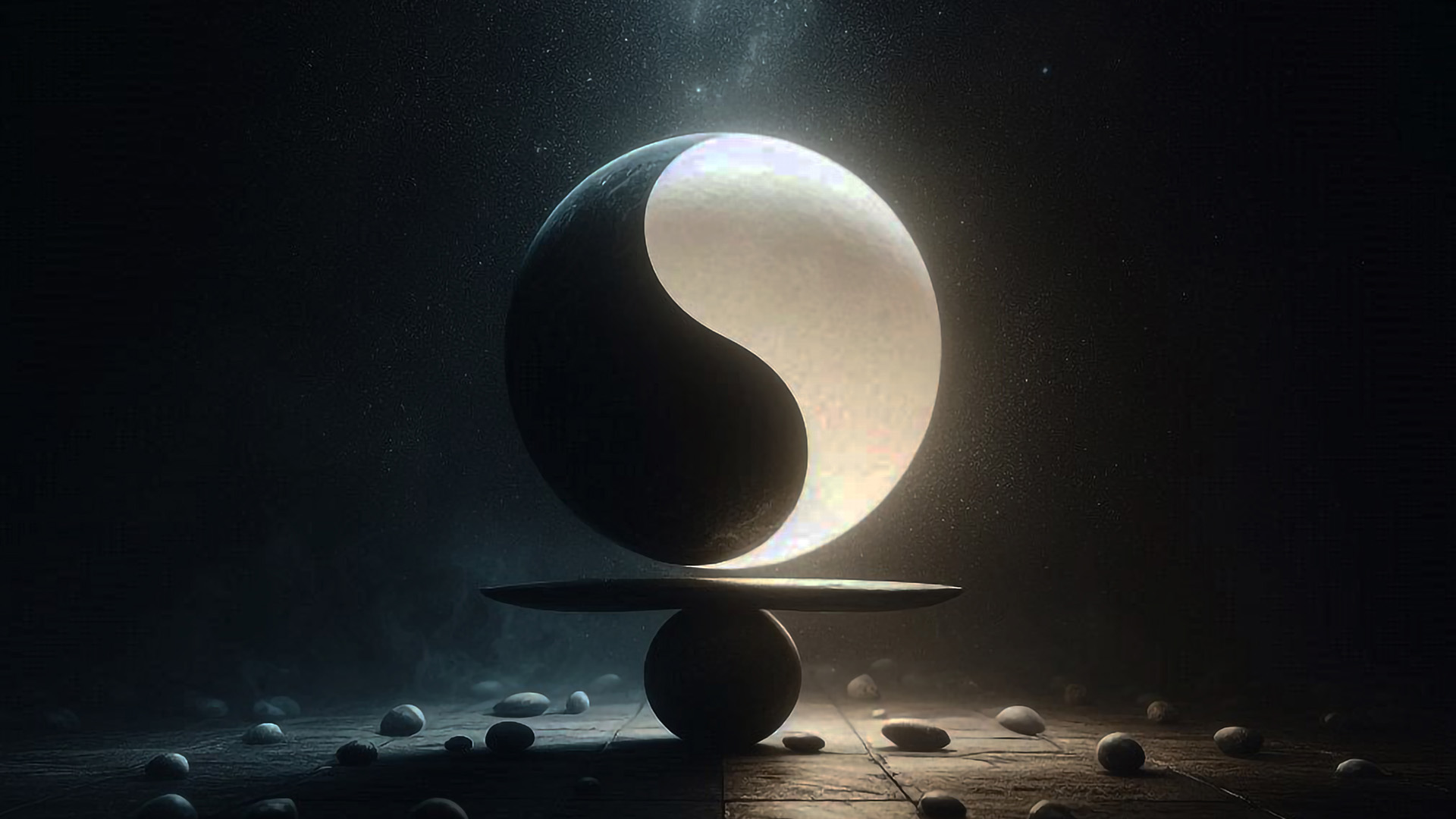
I’ve spent this article criticizing routines, making them sound like they have no value. But as I mentioned at the start, I love routines. Like everything else, though, I believe balance is key.
Routines bring many positive benefits to our lives:
- Reducing decision fatigue
- Building discipline and consistency
- Lowering stress and anxiety
- Enhancing time management and productivity
- Promoting a healthier lifestyle
So, what should we do? I’ve decided to save that for the next article because as I researched and thought more about this topic, I uncovered so much more to share. Since this article has already become quite long, I’ll pause for now. In the next piece, I’ll discuss the benefits of routines and how to strike a balance between routine and flexibility.