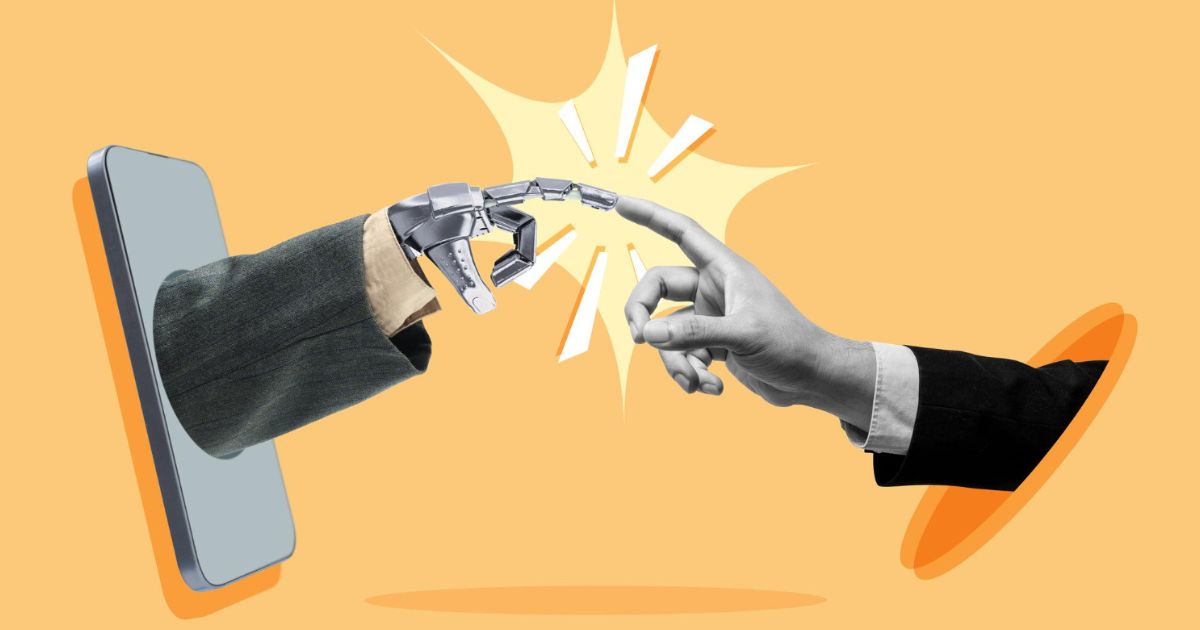
Designers today face a critical challenge: the traditional role of meticulously crafting every pixel is being disrupted by the growing capabilities of artificial intelligence in the creative process. Many professionals and companies struggle with adapting workflows that have worked for years to a reality where AI tools can mock up designs, generate visual assets, or suggest layouts in moments. This shift introduces friction—not from a lack of tools, but from uncertainty in balancing human insight with machine efficiency. For instance, an outdated iterative cycle can cause project delays and budget overruns if teams resist integrating AI effectively. The problem is not only technological but strategic, requiring a fresh approach to how design expertise is applied and valued. Those unaware of efficient collaboration with AI risk falling behind more adaptable competitors, affecting outcomes and career trajectories. To navigate these waters, designers must educate themselves not just on tools but on new roles that blend creative direction with AI orchestration, as explained in discussions about how designers leverage modern workflows for better results.
What’s clear is that the landscape demands clarity on how to evolve from traditional execution toward leadership in creative technology. This understanding positions designers not merely as creators but as orchestrators who guide AI capabilities toward strategic design goals. It builds perspective on the meaningful integration of AI, emphasizing thoughtful human direction over blind reliance on automation. As AI grows more pervasive, grasping this synthesis becomes less optional and more foundational for sustained relevance and impact in design professions. The conversation shifts from fear of automation to embracing a future where designers expand their influence through multidisciplinary techniques and intelligent tool use.
Key Points Worth Understanding
- The evolving role of design now blends creativity with AI tool management.
- Resistance to AI adoption often stifles productivity and innovation.
- Effective AI integration requires mastering new workflows and strategic thinking.
- Balancing human insight and AI output protects design quality and intent.
- Ongoing education is essential for designers to lead in an AI-driven environment.
What challenges do designers and companies commonly face as AI enters design workflows?
The surge of AI technologies in design has introduced a mix of opportunities and hurdles impacting workflows and business outcomes. Many designers find themselves caught between a traditional skill set and the demands of adopting AI tools, leading to inefficiencies or quality compromise. Companies often face uncertainty in assessing when and how to implement AI without disrupting their teams or diminishing creative value. Moreover, rapid advances in AI push organizations to continuously update processes, creating ongoing adjustment strains. This environment results in tension surrounding role definitions, expectations, and measurement of AI contributions in projects.
Why is skill mismatch a pressing issue for designers today?
Designers trained primarily in pixel-perfect crafting might struggle to keep pace with AI’s rapid capabilities that automate aspects of visual production. For instance, many who excel in manual tools find themselves at a loss when expected to incorporate generative AI in ideation stages or automate routine tasks. This mismatch not only slows workflows but undermines confidence and growth prospects. Companies expect faster turnaround and innovative concepts, but insufficient AI fluency creates a lag between these expectations and actual performance. Addressing this gap is crucial for individual career resilience and organizational competitiveness.
Examples abound where teams cling to manual workarounds instead of adopting AI-powered automation, leading to repeated tasks that machines could handle faster with consistent quality. Without retraining or redefinition of roles, designers risk becoming obsolete in key project phases. This stagnation ultimately costs both time and resources, reducing overall impact.
How do legacy workflows inhibit smooth AI adoption?
Many design processes have evolved over years, becoming deeply ingrained in company culture and project management standards. These legacy approaches often emphasize meticulous manual iterations, individualized craftsmanship, and fixed communication channels. Introducing AI disrupts these norms, creating resistance or confusion. Teams unsure about AI’s capabilities or fearing job displacement may avoid integrating these tools effectively. This causes fragmented adoption, with some members using AI informally while others reject it entirely, resulting in inconsistent output.
For example, a design team familiar only with standard tools might find cognitive overload in learning AI-based platforms while managing ongoing deadlines. The strain leads to patchy utilization and missed opportunities to exploit AI’s full potential. To succeed, companies must rethink their workflows, emphasizing flexibility and continuous learning rather than rigid traditional models.
What business impacts arise from unclear AI integration strategies?
Businesses without clear AI adoption roadmaps risk operational inefficiencies and decreased morale among design teams. Uncertainty about when to trust AI-generated content or how to allocate tasks blurs accountability and quality controls. Projects may stall due to indecision or duplicated efforts as teams struggle to define where human judgment is essential versus where AI can accelerate processes. This ambiguity leads to missed deadlines and cost overruns.
Furthermore, clients expecting innovative solutions may lose confidence if outputs reflect either over-automation or inconsistent quality. Competitive pressures increase from firms that have clarified AI roles and invest in upskilling. In short, lack of strategic integration can ripple through project success and client satisfaction, hampering growth.

Why do these challenges continue to persist despite available technologies?
The persistence of these AI adoption challenges stems from human factors, organizational inertia, and limited strategic planning. While AI tools are accessible and often user-friendly, they require shifts in mindset and skill sets not trivial to acquire quickly. Additionally, companies hesitate to invest heavily in retraining or to redesign roles without clear ROI evidence. This cautious approach slows momentum.
How does fear of job displacement affect AI acceptance?
Many designers are concerned that AI will replace rather than assist them, which creates psychological resistance to adopting new tools. This fear leads to withholding vital feedback or underutilizing AI capabilities, diminishing benefits. Such attitudes slow learning curves and foster divides between early adopters and skeptics, fragmenting teams and workflows.
This dynamic can also reduce open communication about AI’s real impact, limiting constructive problem-solving and adaptation. Without addressing these fears upfront, organizations experience cultural friction that impairs effective AI integration.
What role does inadequate training play in sustained obstacles?
Organizations often underestimate the depth of training needed to use AI effectively in design, focusing only on basic tool introduction instead of strategic application. Short onboarding without continuous support leaves teams underprepared for complex problem solving with AI, reducing confidence and innovation potential. For example, designers may only use AI for simple tasks rather than exploring its role in user experience personalization or predictive analytics.
Ongoing skill development and multidisciplinary learning are necessary to overcome these limitations, allowing designers to harness AI as a partner rather than a threat. Training gaps represent a significant barrier to progress when neglected.
How do leadership and vision influence AI implementation challenges?
When company leadership lacks clear vision or understanding of AI capabilities, adoption stalls or becomes piecemeal. Without strategic directives, teams receive mixed signals about AI priorities and their roles, creating inconsistent approaches. Executive support is crucial for defining success metrics, allocating resources, and fostering a culture open to experimentation with AI-enhanced workflows.
Examples of successful AI integration often cite proactive leadership engagement driving multidisciplinary collaboration and continuous improvement. Leadership that delays action or undercommunicates can leave teams without the necessary guidance, prolonging adoption struggles.
What practical strategies can designers and companies use to adapt effectively?
Adapting requires deliberate shifts in mindset, workflows, and capabilities focused on blending human creativity and AI strength. Key strategies involve role evolution, refining processes, and fostering continuous multidisciplinary learning. For designers, this means moving beyond pixel-by-pixel execution toward orchestrating AI outputs aligned with user needs and brand objectives.
How can role evolution empower designers as AI orchestrators?
Designers should aim to become decision-makers who steer AI-generated ideas, curate outputs, and align creative direction with strategic goals. This shift transforms them from task executors into creative technologists responsible for maximizing AI’s potential. For example, instead of manually finalizing every element, they validate AI suggestions against brand guidelines and usability principles. This approach speeds iteration while maintaining quality.
Such role redefinition requires adopting a multidisciplinary mindset, including understanding data, behavioral patterns, and technology trends. Cross-functional collaboration with developers and product managers enhances the ability to orchestrate AI responsibly and effectively.
What workflow changes promote optimal AI integration?
Introduced workflows should favor early AI involvement in ideation and routine tasks, freeing designers to concentrate on higher-level decisions. Agile methods that incorporate AI checkpoints allow teams to test outputs rapidly and adjust priorities. For example, applying AI to user segmentation data helps tailor designs dynamically instead of relying on static assumptions. Additionally, establishing clear guidelines on where AI applies and what requires human override maintains coherence.
This new rhythm reduces redundant work and accelerates project timelines, benefitting clients and teams. It also demands a cultural shift toward openness and iterative improvement rather than fixed deliverables.
How does continuous multidisciplinary learning support long-term success?
Emphasizing multidisciplinary learning ensures designers expand beyond traditional skills to include AI fluency, data literacy, and user psychology. This enables them to interpret AI outputs critically and innovate responsibly. For instance, integrating workshops on behavioral data interpretation alongside AI tool training equips designers to extract actionable insights.
Moreover, ongoing education fosters adaptability in a fast-changing tech landscape. Teams committed to learning stay competitive and maintain influence over evolving creative processes, turning AI into a collaborative advantage rather than an obstacle.
What realistic steps can design professionals take now to embrace this role transition?
Starting the transition involves practical actions that integrate AI thoughtfully without overwhelming existing responsibilities. Designers can incrementally adopt AI tools while seeking opportunities to join cross-disciplinary projects that broaden their influence. Engaging with relevant communities and learning resources sharpens skills necessary for AI orchestration.
What small-scale AI experiments can designers try immediately?
Designers might begin by automating routine tasks like asset resizing or simple prototyping with AI-assisted plugins. Experimenting in low-risk scenarios builds familiarity and confidence. For example, generating initial layout suggestions using AI and refining them manually quickens exploration. Documenting outcomes provides evidence to advocate for wider adoption within teams.
These manageable steps also help identify workflow bottlenecks where AI can bring measurable relief, guiding future investments in tools and training. Gradual adoption minimizes disruption while positioning designers as proactive innovators.
How can networking and professional development accelerate the transition?
Participating in multidisciplinary groups or AI-focused design forums exposes designers to fresh perspectives and best practices. Attending conferences, webinars, or online courses on AI applications in design broadens knowledge. Collaborating with peers experienced in AI orchestration provides mentorship and learning exchange benefits.
These activities build a support network essential for navigating the evolving landscape and uncovering emerging opportunities. Designers invest in their relevance and leadership by expanding professional horizons beyond traditional boundaries.
What role do feedback and reflection play during adaptation?
Regularly assessing how AI tools influence personal workflows and project outcomes allows designers to refine approaches for improved balance and creativity. Soliciting feedback from clients, colleagues, and users provides insights on the effectiveness of AI-integrated design. Reflection fosters critical thinking about the interplay between human intuition and automation.
Documenting challenges and successes informs continuous improvement and equips designers to advocate strategically for resources and process adjustments that benefit their evolving roles.
How can expert guidance make a difference for designers moving forward?
Professional coaching and consultancy help align AI adoption with personal career goals and business strategies. Experts offering tailored frameworks facilitate smoother change management, avoiding common pitfalls and maximizing AI benefits. They can design pathways for reskilling and role definition that suit specific organizational contexts.
What benefits come from engaging with experienced AI design consultants?
Consultants bring an external viewpoint that identifies inefficiencies, champions best practices, and accelerates adoption timelines. They help bridge the gap between technology capabilities and creative vision, ensuring investment decisions yield tangible returns. Their experience across industries also provides tested solutions to typical challenges.
Through workshops and strategic planning, consultants empower design teams to build confidence and competence in new roles, fostering sustainable innovation rather than temporary fixes.
How does mentorship foster growth in AI orchestration?
Mentorship connects emerging AI design leaders with veterans who have successfully navigated similar transitions. This relationship offers practical advice, emotional support, and insider knowledge that formal training cannot replicate. Mentors assist in understanding industry trends, employer expectations, and personal development paths.
Such guidance helps mentees avoid common pitfalls and accelerates mastery of complex skills, ensuring they contribute meaningfully to both their teams and the broader design field.
What role do structured learning programs play in this evolution?
Organized training programs focusing on multidisciplinary skills development provide systematic and comprehensive learning essential for role transformation. They cover AI tool proficiency, data analysis, human-centered design principles, and communication skills required for cross-functional collaboration. Their curricula are often updated to reflect the latest industry standards.
Participation ensures designers keep pace with advances and understand their roles as AI orchestration experts, leading to increased job security and organizational value.
For designers ready to explore how multidisciplinary learning helps sharpen their competitive edge against AI, valuable insights are available at expert discussions on human impact versus automation. If you’re looking to evolve your creative process, understanding the vital balance between technology and human ingenuity is essential. For personalized assistance in navigating these changes, consider connecting with professional advisors who specialize in creative technology integration.
Frequently Asked Questions
How is AI changing the role of designers in practical terms?
AI is shifting designers from detailed manual tasks to roles that emphasize strategic decision-making and guiding AI-generated outputs. This means designers focus more on creative direction, user experience considerations, and quality control rather than pixel-level adjustments. It also demands fluency with AI tools to supervise and refine machine contributions effectively.
What skills should designers develop to benefit from AI technologies?
Key skills include understanding AI tools, data literacy, multidisciplinary problem-solving, and strong communication for team collaboration. Designers should also sharpen critical thinking to evaluate when AI outputs align with project goals. Continuous learning and adaptability are crucial to keep pace with rapid technological evolution.
Are there risks in over-relying on AI in design work?
Yes, over-reliance may result in loss of uniqueness, reduced human perspective, and potential biases embedded in AI outputs. It can also diminish creative exploration if AI suggestions are followed uncritically. Maintaining a balanced approach keeps human creativity central while leveraging AI efficiencies.
How can companies support designers in this transition effectively?
Companies should provide ongoing training, foster a culture open to experimentation, clearly define new roles, and invest in multidisciplinary teams. Leadership must communicate AI’s purpose as augmentation rather than replacement, promoting psychological safety. Structured support eases adoption hurdles and boosts morale.
Is AI orchestration a sustainable career path for designers?
Given AI’s growing presence in creative industries, expertise in orchestrating AI tools alongside human creativity is likely a sustainable and valuable career direction. It leverages uniquely human skills and technology to produce superior design outcomes, offering resilience against automation threats.
Exploring comprehensive strategies for successful AI and human collaboration can be found in insightful resources on creative technology consultancy and further guidance on multidisciplinary digital marketing approaches at digital marketing integration. For broader perspectives on multidisciplinary collaboration, see perspectives shared at multidisciplinaryapproach.com.