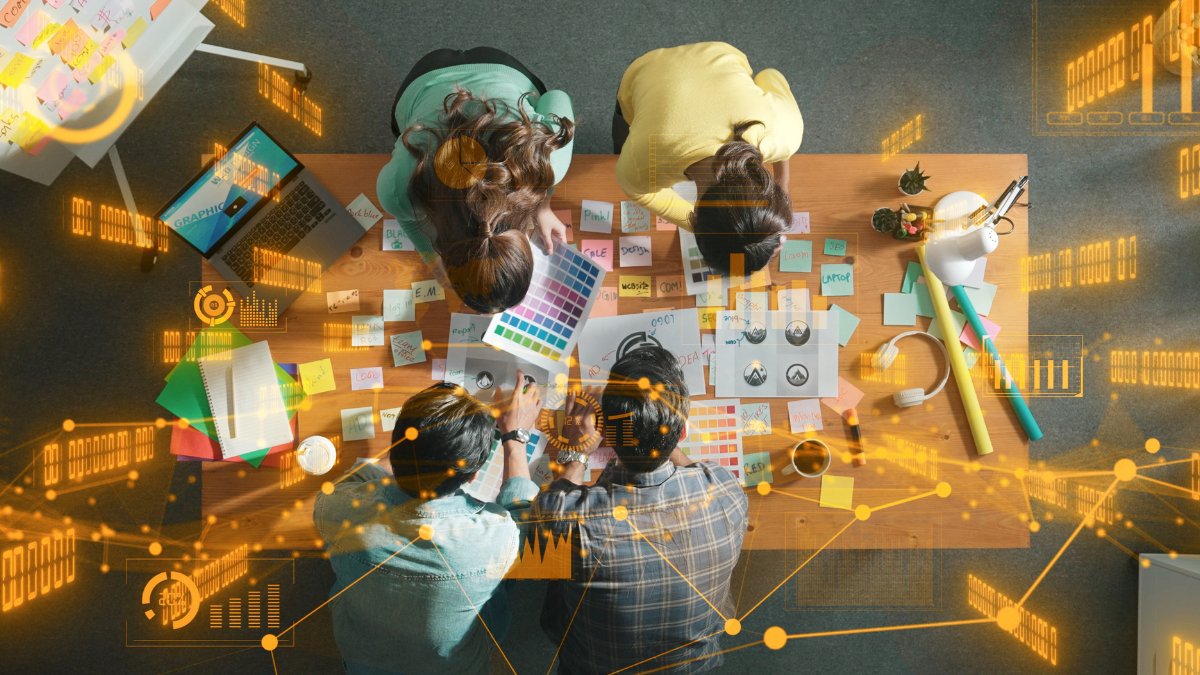
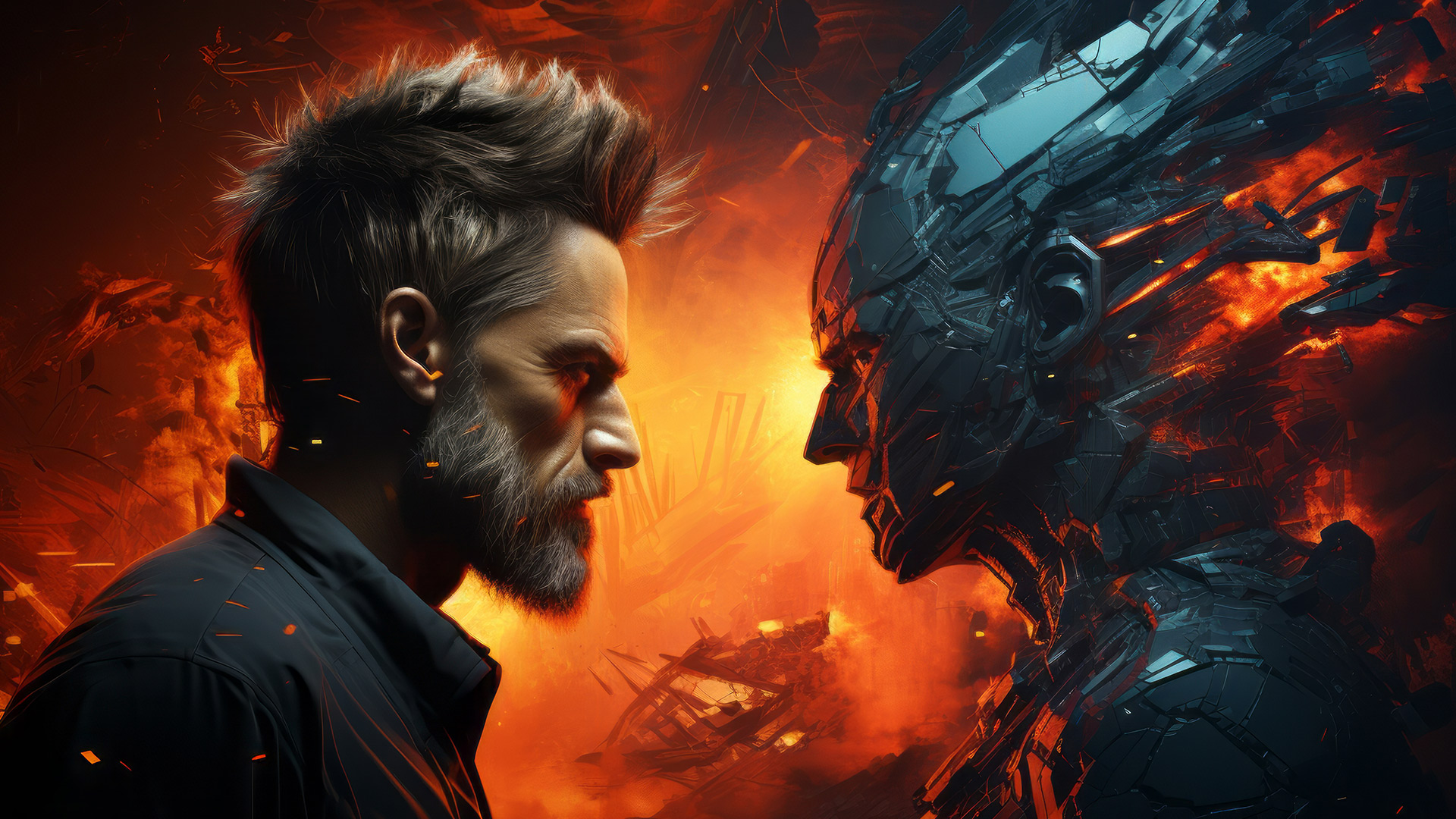
As technology advances rapidly, businesses are grappling with the rise of artificial intelligence (AI). A common question arises: can humans still outperform AI? One example of this challenge is in industries like healthcare or marketing, where AI is automating tasks that were once human-driven. Yet, the human element—especially a diverse skill set—remains indispensable. While AI can process information at incredible speeds, it lacks one key aspect: the ability to think across multiple disciplines. This is where multidisciplinary expertise shines. People who combine skills from various fields can adapt to new problems and innovate in ways AI cannot. To understand this further, we’ll explore how the multidisciplinary approach can empower individuals to outperform machines.
While AI excels at repetitive tasks and data processing, it struggles with creative problem-solving, emotional intelligence, and tasks requiring human adaptability. A multidisciplinary approach allows individuals to combine their knowledge in areas like business, science, and the arts, bringing fresh perspectives to complex issues. Whether you’re a designer with marketing skills or a scientist with an understanding of psychology, having diverse capabilities enables you to tackle challenges more holistically. This human advantage proves that although AI is powerful, humans with broad skill sets can offer more flexible, creative, and nuanced solutions.
Why Multidisciplinary Expertise is Crucial in the Age of AI
Multidisciplinary expertise is becoming increasingly valuable as AI transforms industries. The ability to connect different knowledge areas enables humans to solve problems AI can’t address, such as human-centered challenges or ethical concerns. As a result, the demand for professionals who can work across fields is growing.
Humans Excel at Creative Problem-Solving
One area where humans clearly outperform AI is creative thinking. While AI can analyze large sets of data and offer predictions, it struggles to generate original ideas or think outside the box. Creativity, a core strength of multidisciplinary individuals, allows for the innovation that AI cannot replicate.
The Role of Emotional Intelligence in Decision-Making
AI may be good at processing data, but it cannot understand emotions or social nuances. Humans, however, excel at reading situations and making decisions based on emotional intelligence. This skill is critical in fields like customer service, leadership, and healthcare, where understanding people is essential.
Adaptability: A Human Advantage
Adaptability is a hallmark of human intelligence, and it’s where multidisciplinary individuals thrive. While AI follows algorithms, humans can adapt to new information and adjust their strategies. In a constantly changing world, this flexibility is a distinct human advantage over machines.
How Multidisciplinary Learning Prepares You for the Future
As technology evolves, so must our skill sets. Multidisciplinary learning equips individuals with the ability to adapt and innovate. By learning from various fields, people can apply their skills in a broader context, enhancing their ability to compete with AI in the workforce.
The Power of Combining Technical and Soft Skills
In a world dominated by technology, having both technical and soft skills is a powerful combination. Multidisciplinary learning encourages the development of skills like communication, collaboration, and leadership alongside technical expertise. This balanced approach makes individuals more versatile in their roles.
Bridging the Gap Between Fields
People who adopt multidisciplinary learning can bridge gaps between different fields. Whether it’s combining art with engineering or psychology with marketing, these individuals bring fresh perspectives that can lead to more innovative solutions. They offer the type of holistic thinking AI cannot achieve.
Multidisciplinary Experts Are In-Demand
Employers increasingly value individuals who have knowledge across multiple fields. Being a specialist is no longer enough; versatility is key. By becoming a multidisciplinary expert, you enhance your employability and become more adaptable in an ever-changing job market.
To learn more about the benefits of multidisciplinary learning, explore additional resources on how to enhance your skills for the future of work.
The Human Element: Why AI Can’t Replace Us Completely
AI is certainly powerful, but it lacks essential human traits that are critical for many tasks. From empathy to ethical decision-making, these uniquely human qualities ensure that AI won’t completely replace us. Instead, the best outcomes arise when humans and AI work together, leveraging the strengths of both.
Empathy and Human Connection
AI can process data, but it cannot provide empathy. Whether in customer interactions, team leadership, or healthcare, empathy and the ability to connect with others are essential. Humans can read emotions, show compassion, and build relationships—areas where AI simply cannot compete.
Ethical Decision-Making and Morality
Machines lack the ability to make moral decisions. Human judgment is required in situations involving ethics, fairness, and societal impact. This is particularly important in fields like law, medicine, and business, where ethical considerations play a crucial role.
AI Needs Human Oversight
AI is only as good as the data it’s fed and the algorithms it follows. Without human oversight, AI can make errors or reinforce biases. Humans provide the critical thinking and monitoring needed to ensure AI functions correctly and fairly.
Multidisciplinary Skills in Leadership: Outperforming AI in the Boardroom
In leadership roles, multidisciplinary skills are invaluable. Leaders who understand different areas, from finance to psychology, can make better decisions, inspire diverse teams, and outperform AI. Leadership is about more than just managing tasks—it’s about vision, creativity, and adaptability.
Leading with a Holistic Perspective
Multidisciplinary leaders are able to look at the big picture, considering how different departments, strategies, and teams fit together. This ability to think holistically allows them to make informed, balanced decisions that consider multiple factors—something AI cannot replicate.
Human Intuition in Leadership
While AI can analyze data, it lacks intuition—a critical component of leadership. Human intuition, shaped by experience across different fields, enables leaders to make complex decisions that data alone cannot justify. This is where human leaders will always have the edge over AI.
Inspiring Innovation and Team Collaboration
Great leaders inspire innovation and foster collaboration. Multidisciplinary skills help leaders bring together individuals from different backgrounds, promoting creative solutions and teamwork. AI may assist in tasks, but only human leaders can inspire the innovation necessary for growth.
Why Humans Will Always Be Essential in Digital Marketing
In digital marketing, humans have an advantage over AI due to their ability to combine creativity with strategic thinking. Multidisciplinary skills enable marketers to create campaigns that connect emotionally with audiences while leveraging data-driven insights for maximum impact.
Creativity and Emotional Engagement
Successful digital marketing requires emotional engagement. Humans can craft creative stories and campaigns that resonate with audiences on a deeper level. AI can process data, but only humans can understand and tap into the emotions that drive consumer behavior.
Human Insight in Strategic Planning
While AI can offer data analysis, it cannot understand the human factors influencing market trends. Multidisciplinary marketers combine analytical skills with insights from psychology, sociology, and business to create strategies that are both data-driven and human-centric.
The Human Touch in Customer Interactions
Customers value personal connections, which is why humans are still critical in digital marketing. Human marketers can build relationships, solve customer problems, and adjust strategies in real-time—tasks that AI cannot handle effectively.
To learn more about how humans can excel in the digital age, explore digital marketing solutions that integrate human expertise and technology for success. These approaches combine the best of both worlds, driving innovation and trust.
If you found this content helpful, follow me for more insights on multidisciplinary skills, AI, and how humans can remain competitive in a tech-driven world. Continuous learning across fields can help you stay adaptable and outperform AI in your career.