
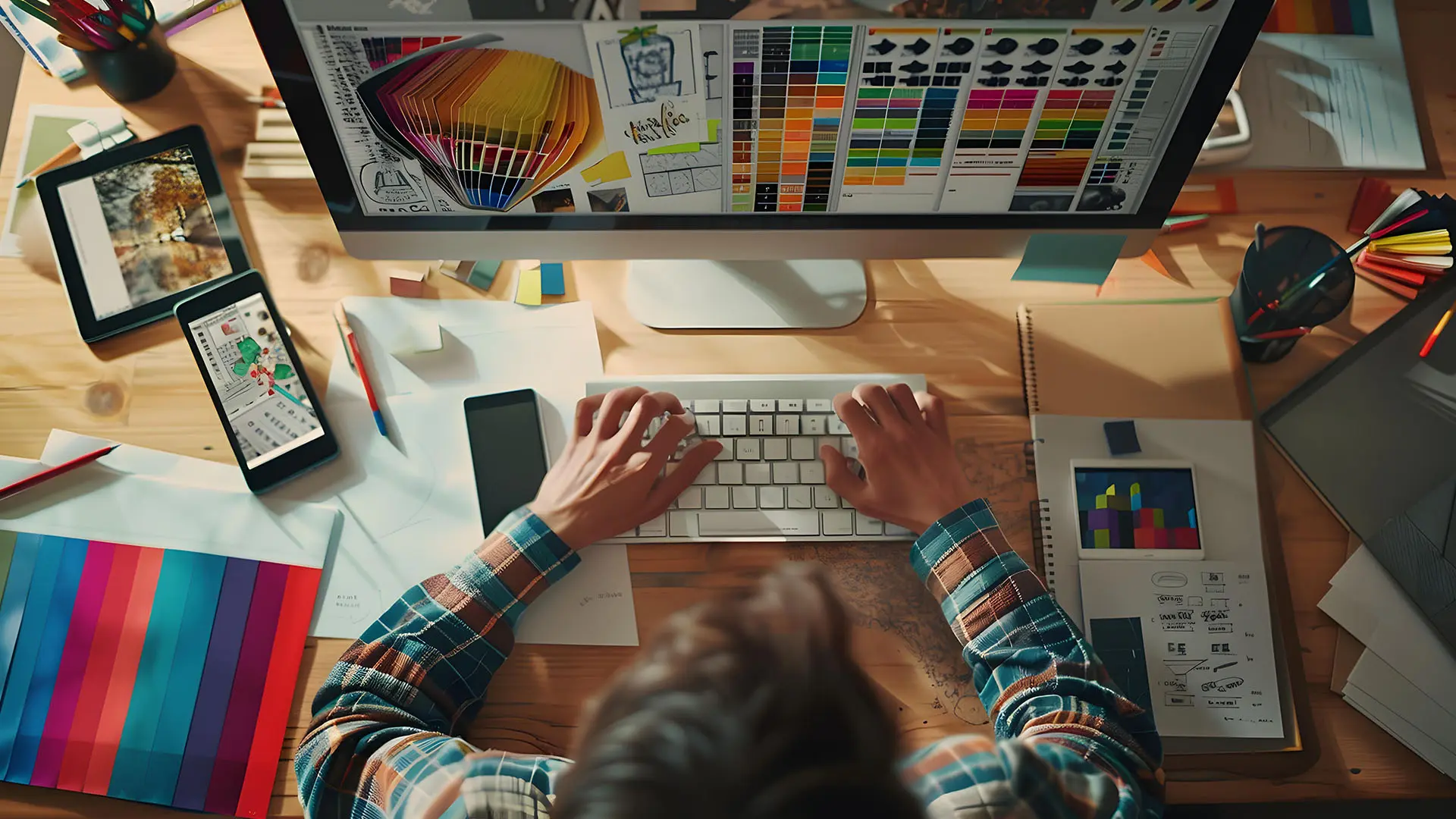
In today’s crowded digital world, creating an engaging marketing campaign goes beyond just delivering a message. It’s about telling your brand’s story in a way that resonates with your audience. And the secret ingredient that ties everything together is design. From the colors you choose to the way information is laid out, design plays a huge role in how your message is received. The right design can turn a simple marketing message into an eye-catching, memorable experience.
With attention spans shorter than ever, good design is not just a “nice-to-have”—it’s a necessity. It determines whether your audience stays engaged or scrolls past. In fact, studies have shown that humans process visual information much faster than text, which means that your design often creates the first impression long before your message is read. In the following sections, we’ll explore how design is an essential part of crafting successful digital marketing campaigns and why it should never be overlooked.
Why Design Is Vital for Digital Marketing Success
First Impressions Matter More Than You Think
In the digital marketing world, you only have a few seconds to grab attention. A well-designed ad or landing page can instantly communicate your brand’s value and hook your audience. On the other hand, a poor design might lead potential customers to click away before they even understand what you’re offering. This makes the visual aspect of design one of the most important elements in any marketing strategy.
For example, the layout and color scheme of your website or ad can impact whether a user feels comfortable exploring further. Clean, simple designs tend to perform better because they’re easier to navigate. Overcomplicated or cluttered layouts can confuse or overwhelm users, making them less likely to engage. Ultimately, a well-thought-out design is what sets the tone for the user’s journey.
How Consistent Branding Strengthens Your Message
Brand consistency is a key element that ties all your digital marketing efforts together. Whether it’s an email campaign, social media post, or a paid ad, every piece of content should reflect your brand’s identity. The colors, fonts, and imagery you use should align across all platforms to build a cohesive brand image.
Inconsistent design can create confusion and make your brand appear disjointed, leading to a lack of trust. But when your design elements are consistent, it reinforces your message and helps your audience recognize your brand more easily. This level of consistency also boosts your credibility and strengthens your overall marketing message, making it easier for your audience to connect with you.
The Psychological Impact of Color and Imagery
Colors and visuals are powerful tools in marketing. They can influence emotions and behaviors more than words can. For example, red often evokes feelings of urgency or passion, while blue is commonly associated with trust and calmness. By strategically choosing the right colors and imagery, you can guide your audience’s emotions and encourage specific actions, like making a purchase or signing up for a newsletter.
Similarly, high-quality images and graphics can significantly improve engagement. People are naturally drawn to visuals, and studies have shown that content with relevant images gets significantly more views than text-only content. By using visuals that align with your message, you can make your marketing more relatable and impactful.
How Design Enhances User Experience and Drives Engagement
Seamless User Experience Leads to Higher Conversions
A visually appealing design is not just about looking good; it’s about functionality. If a user finds your website or landing page confusing to navigate, they’re likely to leave before taking any meaningful action. A well-designed user interface (UI) should be intuitive, guiding users naturally through the content and encouraging them to engage.
For instance, clear and easy-to-find buttons, strategically placed calls-to-action (CTAs), and logical navigation menus make it easy for users to complete the actions you want them to take—whether it’s signing up for a newsletter, downloading a resource, or making a purchase. A smooth user experience keeps users engaged longer and increases the chances of conversion.
The Importance of Mobile-Friendly Design
With more users browsing and shopping on their phones, having a mobile-friendly design is essential. Websites that aren’t optimized for mobile use often have higher bounce rates, as users struggle with poor layouts, slow load times, and awkward navigation. A responsive design that adapts to different screen sizes ensures a positive experience, no matter what device the user is on.
Additionally, search engines like Google prioritize mobile-friendly websites in their rankings. This means that optimizing your design for mobile not only improves user experience but also boosts your visibility in search results. By catering to mobile users, you can reach a wider audience and enhance your marketing results.
Interactive Design Features Boost Engagement
Interactive design elements—such as animations, sliders, and clickable infographics—can take your marketing campaigns to the next level. These features make your content more engaging and encourage users to explore your site or ads further. By making your design more interactive, you’re giving users a reason to stay and interact with your brand longer.
For example, interactive quizzes or polls can generate a higher level of engagement on social media platforms, while dynamic landing pages that change based on user interactions can personalize the user experience, making it more likely that they’ll convert. The key is to strike a balance—using interactivity to enhance the experience without overwhelming the user.
Design’s Role in Strengthening Your Digital Marketing Strategy
Boosting SEO Through Thoughtful Design
Good design doesn’t just improve user experience—it can also improve your search engine optimization (SEO) efforts. A clean, well-structured website is easier for search engines to crawl, which can improve your rankings. Additionally, factors like mobile optimization, fast load times, and low bounce rates—which are all influenced by design—are key metrics that search engines consider when ranking your site.
For instance, slow-loading pages not only frustrate users but can also negatively impact your SEO performance. Similarly, poor design choices that lead to high bounce rates can signal to search engines that your site is not providing a good user experience, which can lower your rankings. By focusing on both form and function, you can create a design that looks great and supports your SEO strategy.
Using Data to Optimize Your Design
Data-driven design is crucial in today’s digital marketing world. By analyzing metrics such as user behavior, bounce rates, and heatmaps, you can identify areas of your design that need improvement. For example, if data shows that users are dropping off at a certain point on your landing page, it might be a sign that the design is not clear or engaging enough.
Through A/B testing, you can experiment with different design elements—such as button placements, color schemes, or headline sizes—to see what works best. By continuously optimizing your design based on real-world data, you can improve the effectiveness of your marketing campaigns and ultimately drive better results.
Building Emotional Connections with Your Audience
Design has the power to evoke emotions and create connections with your audience. Whether it’s through relatable imagery, inspiring graphics, or a friendly color palette, your design can make your brand more approachable and human. When your audience feels an emotional connection to your brand, they’re more likely to engage, share your content, and ultimately become loyal customers.
This is particularly important in social media marketing, where visual content is key to standing out. By designing posts that speak to your audience’s values, aspirations, and emotions, you can foster a deeper connection that goes beyond simple transactions.
Final Thoughts on the Role of Design in Digital Marketing
Design is the foundation of any successful digital marketing campaign. It influences how your audience perceives your brand, guides their actions, and helps you stand out in a crowded marketplace. Whether it’s creating a memorable first impression, enhancing user experience, or building brand consistency, design should be a top priority in your marketing strategy.
If you’re looking to create more compelling campaigns, remember that design is not just about aesthetics—it’s about delivering a message in a way that resonates. By investing in thoughtful, strategic design, you can elevate your digital marketing efforts and achieve greater success.
Follow for More Digital Marketing Tips
If you enjoyed this post and want more tips and insights on how to improve your digital marketing strategy, make sure to follow me! I regularly share advice, strategies, and tips to help you level up your marketing game.